MaleExcel Pharma Guide - Page 2

Chocolate, Coffee, and Tea with Medications: Hidden Interactions and Safety Guide
Discover how coffee, tea, and chocolate affect medication absorption and efficacy. Learn which combinations to avoid, optimal timing strategies, and why your favorite drink might be blocking your therapy.

Pediatric Exclusivity: How FDA Extends Patent Protection Under Section 505A
Explains how pediatric exclusivity extends market protection by blocking FDA generic approvals rather than changing patent dates, covering Section 505A rules and strategic impacts.

Why Your Generic Pills Look Different: Safety, Legality, and Impact
Generic pills often look different due to manufacturer choices and trademark laws. Learn why safety remains consistent and how to handle visual changes safely.

Verbal Prescriptions: Best Practices for Clarity and Safety in Healthcare
Verbal prescriptions are still used in emergencies and sterile environments, but they carry high risks of error. Learn the proven safety practices - like read-back verification and phonetic spelling - that prevent deadly mistakes in medication orders.
Common Medications That Cause Allergies and Hypersensitivity Reactions
Many people think they're allergic to common drugs like penicillin or NSAIDs-but most aren't. Learn which medications truly cause allergic reactions, how to tell the difference, and why getting tested could save your health and money.

Hypersensitivity Pneumonitis: When Cough and Breathlessness Come from What You Breathe, Not What You Take
Hypersensitivity pneumonitis causes cough and breathlessness from inhaled environmental triggers - not medications. Learn the real causes, how to spot it, and why avoiding the trigger is the only cure.
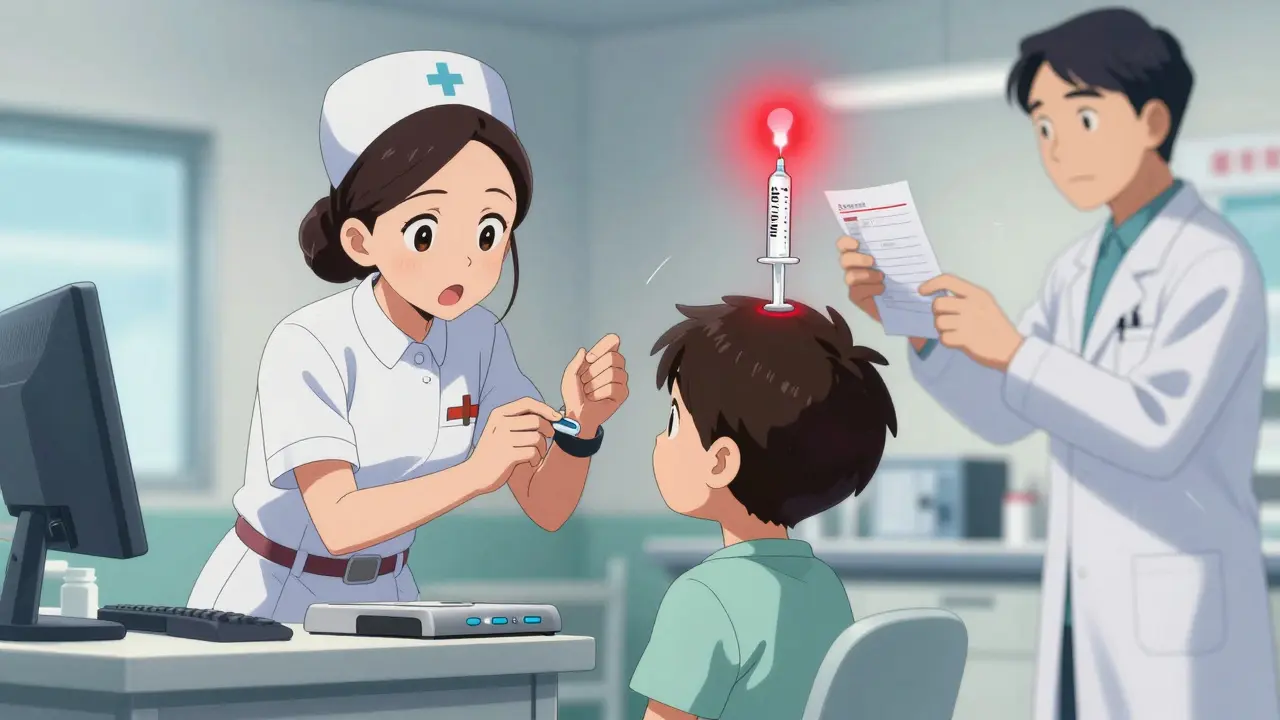
Medication Mistakes in Pediatric Emergencies: Real Case Lessons That Save Lives
Pediatric medication errors are far more common than most realize, with 31% of cases involving harmful mistakes. Real case lessons show how simple fixes-like weight-based dosing charts and calibrated syringes-can prevent tragedy.
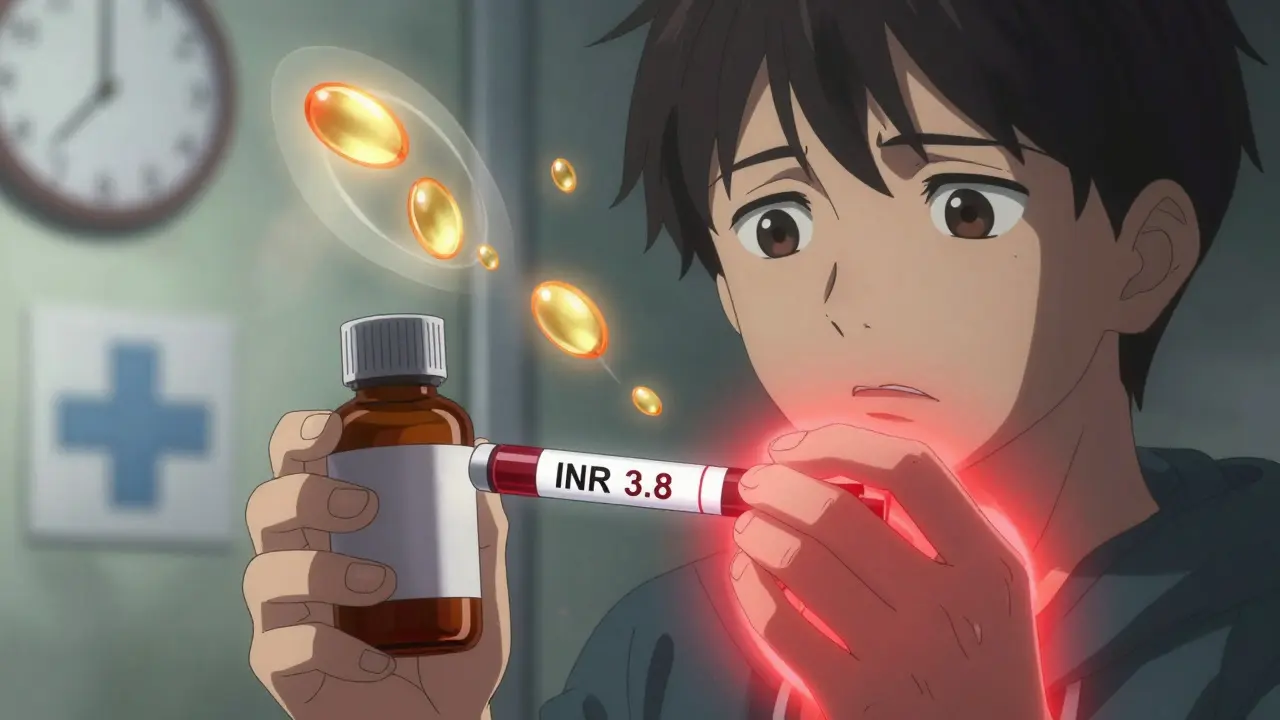
Fish Oil and Warfarin or DOACs: What You Need to Know About Bleeding Risks
Fish oil can increase bleeding risk when taken with warfarin or DOACs. Learn the safe dosages, warning signs, and what to do if you're on blood thinners and considering omega-3 supplements.

Stevens-Johnson Syndrome and Toxic Epidermal Necrolysis: Recognizing Medication-Related Emergencies
Stevens-Johnson Syndrome and Toxic Epidermal Necrolysis are rare but deadly drug reactions that cause skin blistering and peeling. Learn the warning signs, high-risk medications, and why immediate emergency care is critical to survival.
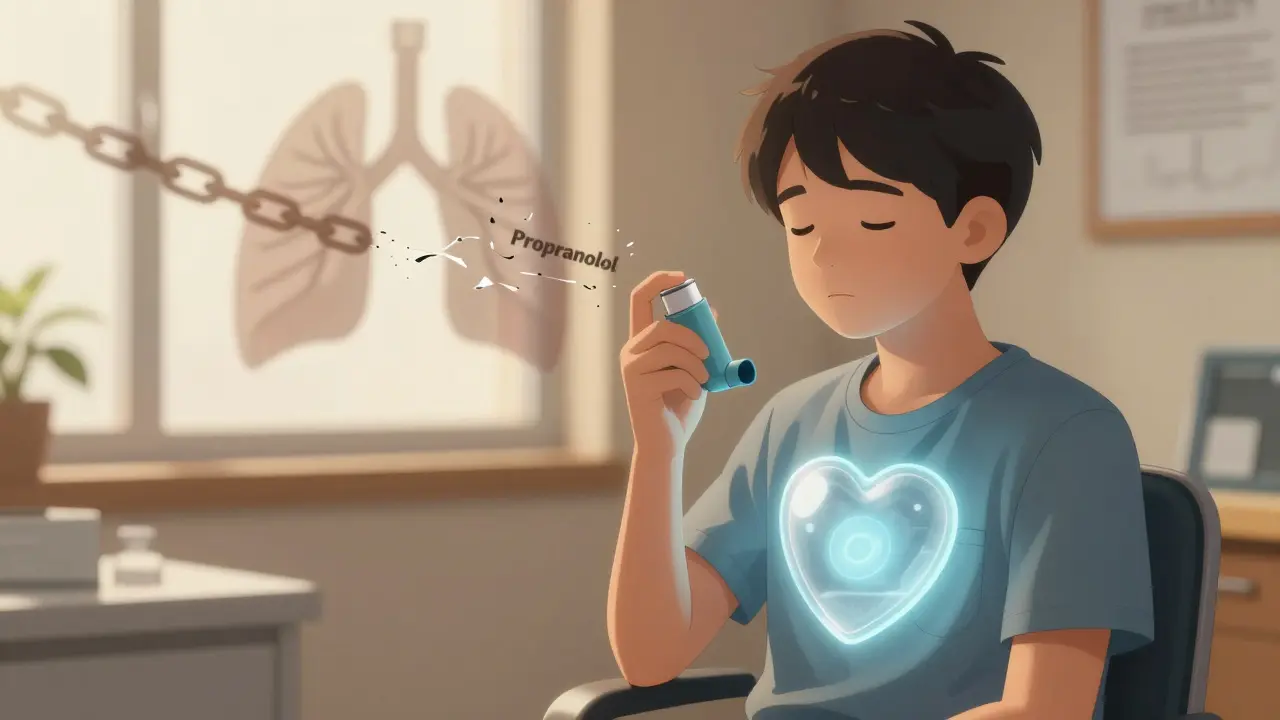
Beta-Blockers and Asthma: Bronchospasm Concerns and Safer Options
Beta-blockers were once banned for asthma patients due to bronchospasm risks. New research shows cardioselective types like atenolol are safe and can save lives - if used correctly under medical supervision.