Hatch-Waxman Act: How Generic Drugs Got Their Footing in the US Market
When you pick up a generic pill at the pharmacy, you’re benefiting from a law passed in 1984 called the Hatch-Waxman Act, a U.S. law that created a pathway for generic drugs to enter the market without repeating costly clinical trials. Also known as the Drug Price Competition and Patent Term Restoration Act, it’s the reason you can buy the same medicine for a fraction of the brand-name price. Before this law, drugmakers could extend their monopoly by tweaking patents, while generic companies had no legal way to prove their versions worked without redoing every study. Hatch-Waxman fixed that.
The law created two big shifts. First, it let generic manufacturers file an Abbreviated New Drug Application, a streamlined FDA submission that relies on the brand drug’s safety data instead of repeating clinical trials. Second, it gave brand-name companies a limited patent extension—up to five years—to make up for time lost during FDA review. This trade-off: faster access to cheap generics in exchange for protecting innovation.
It’s not perfect. Some companies abuse patent extensions or file dozens of minor patents to block generics, a tactic called "evergreening." But overall, the Hatch-Waxman Act broke the monopoly on medicines. It’s why drugs like Lipitor, Zoloft, and Prilosec now have affordable generics. It’s why your insurance covers $4 prescriptions instead of $400 ones. And it’s why you can find detailed comparisons of generic versions of blood pressure meds, hair loss treatments, and antibiotics right here—because without this law, those comparisons wouldn’t exist.
You’ll find posts here about black box warnings, prior authorizations, and drug side effects—all of which tie back to how the system works after Hatch-Waxman. When a generic gets approved, it doesn’t just mean lower cost. It means more people get treated. More data gets collected. More questions get asked. And that’s why understanding this law matters—not just for policy wonks, but for anyone who takes medication.
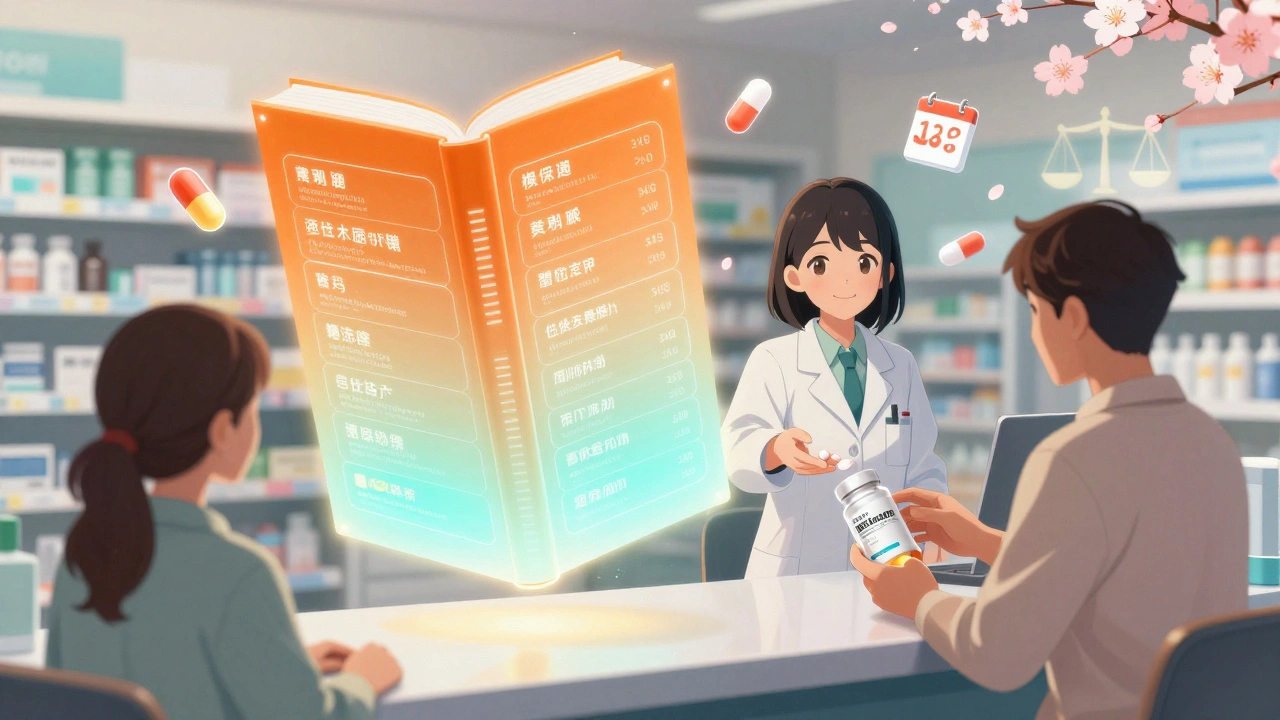
Orange Book Database: FDA's Approved Drug Products With Therapeutic Equivalence Ratings
The Orange Book database is the FDA's official list of approved small-molecule drugs with patent and therapeutic equivalence data, enabling generic drug competition and saving billions in healthcare costs.
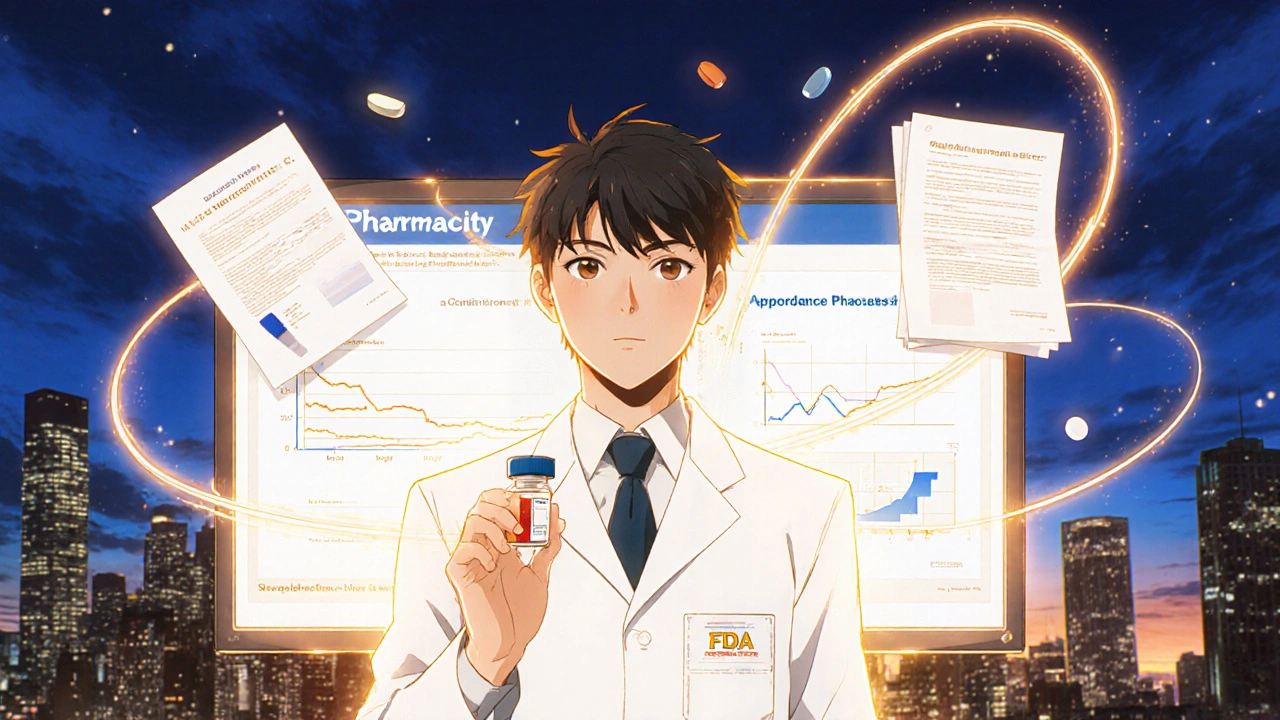
ANDA Process: Legal Requirements for Generic Drug Approval in the U.S.
The ANDA process is the legal pathway for generic drug approval in the U.S., requiring bioequivalence, identical formulation, and strict manufacturing standards under the Hatch-Waxman Act. It saves billions and increases access to affordable medicines.