Torsades de Pointes: What It Is, What Causes It, and How Medications Can Trigger It
When your heart’s electrical system goes off-track, it can trigger a life-threatening rhythm called Torsades de Pointes, a specific type of irregular heartbeat that twists on an ECG and can lead to sudden cardiac arrest. Also known as polymorphic ventricular tachycardia, it doesn’t just happen out of nowhere—it’s often tied to something you’re taking, a mineral imbalance, or an underlying heart condition.
This isn’t just a rare medical curiosity. It shows up in people taking common drugs like certain antibiotics, antifungals, antidepressants, and even some heart medications. The real red flag is QT prolongation, a delay in the heart’s electrical recovery phase that shows up on an ECG and increases the chance of Torsades de Pointes. If your QT interval stretches too long, your heart can start skipping beats in a dangerous spiral. It’s why doctors check your electrolytes—low potassium, low magnesium, or low calcium can make this worse, even if your meds are fine.
Some drugs are known troublemakers. The antibiotic erythromycin, the antipsychotic haloperidol, and the anti-nausea drug ondansetron have all been linked to cases. Even over-the-counter meds like certain antihistamines can do it in sensitive people. It’s not about taking one pill—it’s about stacking risks: a high dose, a pre-existing heart issue, low potassium, and another drug that slows your heart’s reset timer. That’s when Torsades de Pointes flips from a theoretical risk to a real emergency.
You won’t always feel it coming. Some people get dizzy or faint. Others have chest palpitations. In worst-case scenarios, it leads to sudden collapse. That’s why ECG monitoring matters—especially when starting a new drug or changing doses. Hospitals track QT intervals closely for patients on high-risk meds. Outpatient care? Less so. That’s why knowing your own risk factors is critical.
The posts here don’t just mention Torsades de Pointes in passing—they dig into the real-world connections. You’ll find articles on how common prescriptions like antibiotics and antiarrhythmics can quietly mess with your heart’s rhythm. Others break down how drug interactions and electrolyte imbalances combine to trigger it. There’s even coverage on black box warnings—the FDA’s strongest alerts—that flag drugs with this exact risk. These aren’t abstract discussions. They’re practical guides for people who take meds daily and want to stay safe.
If you’ve ever been told your QT is long, or you’ve had unexplained fainting spells, or you’re on a med with a warning about heart rhythm issues—this collection is for you. You’ll learn what to ask your doctor, what blood tests to request, and which meds to double-check before you refill. No fluff. No jargon. Just what you need to know to protect your heart.
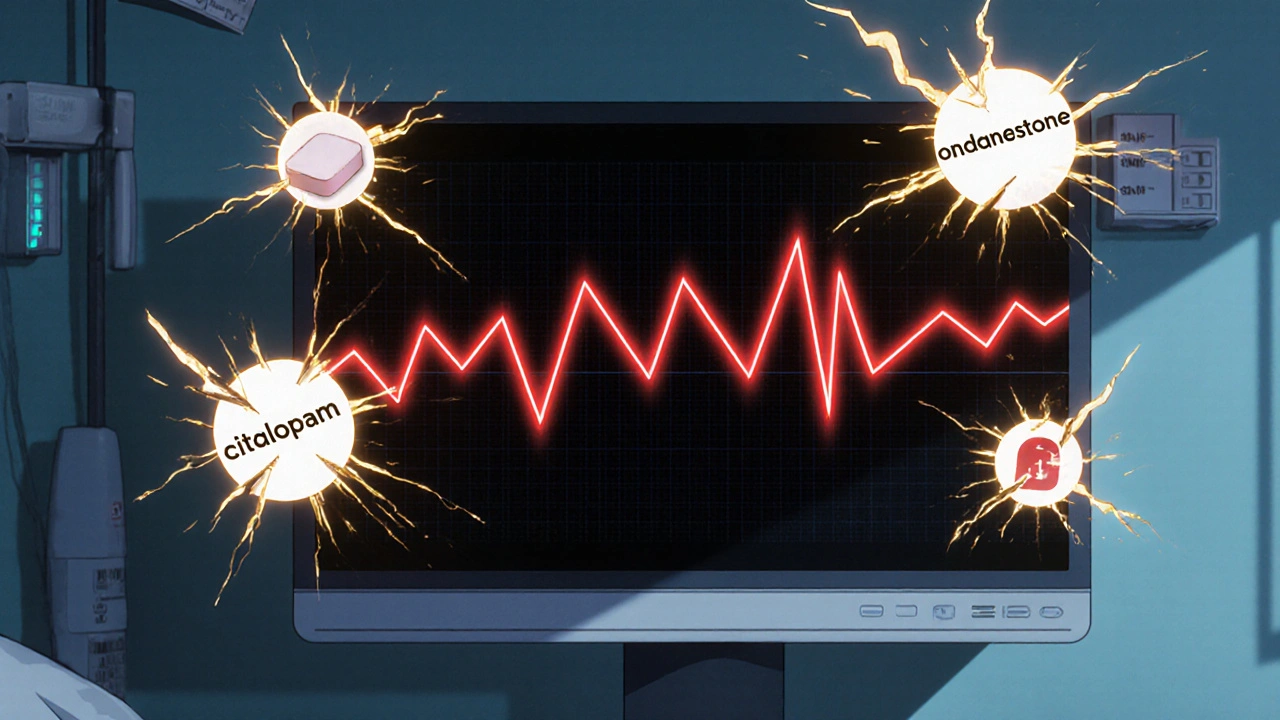
Torsades de Pointes from QT-Prolonging Medications: How to Recognize and Prevent This Deadly Reaction
Torsades de Pointes is a rare but deadly heart rhythm caused by certain medications that prolong the QT interval. Learn how to recognize the warning signs, which drugs are most dangerous, and how to prevent this life-threatening reaction with simple, evidence-based steps.
Categories
- Health and Medicine (137)
- Health and Wellness (41)
- Womens Health (6)
- Mental Health (5)
- Mens Health (5)
- Nutrition and Supplements (4)