
Sleep Efficiency: What It Is and How to Improve It
When we talk about sleep efficiency, the percentage of time you spend asleep while in bed. It's not about how many hours you lie down—it's about how much of that time you actually sleep. A score below 85% usually means you're spending too much time lying awake, tossing, or waking up. This isn't just about feeling tired—it affects your mood, memory, immune system, and even how your body processes medications. Many people think sleeping eight hours means they're doing fine, but if they spend two of those hours staring at the ceiling, their sleep efficiency is only 75%. That’s not enough.
sleep hygiene, the habits and environment that support good sleep. It includes things like keeping your room dark and cool, avoiding screens before bed, and not drinking caffeine after noon. These aren’t just tips—they’re science-backed rules that directly impact your circadian rhythm, your body’s internal clock that controls when you feel awake or sleepy. When your rhythm is off, your sleep efficiency drops, even if you’re tired. And if you’re on long-term medications—like opioids or antidepressants—you might not even realize they’re disrupting your sleep cycle. Studies show that even small changes in bedtime routine can boost sleep efficiency by 15-20% in just a few weeks.
Then there’s sleep disorders, conditions like sleep apnea, restless legs, or insomnia that silently steal rest. These aren’t just about snoring or counting sheep—they’re medical issues that reduce sleep efficiency and can worsen other health problems. For example, people with liver disease or chronic pain often have poor sleep efficiency, and fixing it can improve their overall recovery. You don’t need a fancy sleep tracker to notice the signs: if you wake up feeling more tired than when you went to bed, or if you’re up multiple times a night, your sleep efficiency is likely low.
What’s surprising is that sleep efficiency doesn’t always need big changes. It’s often fixed by small, consistent habits—like getting up at the same time every day, even on weekends, or cutting out late-night snacks. Some people see improvements just by moving their phone charger out of the bedroom. Others benefit from a short evening walk, which helps reset their circadian rhythm without needing supplements or pills. And if you’re using medications that affect your sleep—like diuretics or beta-blockers—timing them earlier in the day can make a real difference.
What you’ll find in the posts below aren’t generic sleep hacks. They’re real, practical insights from people who’ve dealt with medication side effects, chronic conditions, and lifestyle disruptions that wrecked their sleep. You’ll see how liver disease, opioid use, and even travel with temperature-sensitive drugs can mess with your rest. You’ll learn how to spot hidden sleep killers, adjust your routine around prescriptions, and get back to sleeping like you used to—without relying on sleep aids. This isn’t about sleeping more. It’s about sleeping better, deeper, and more efficiently—so your body can actually recover, repair, and function.
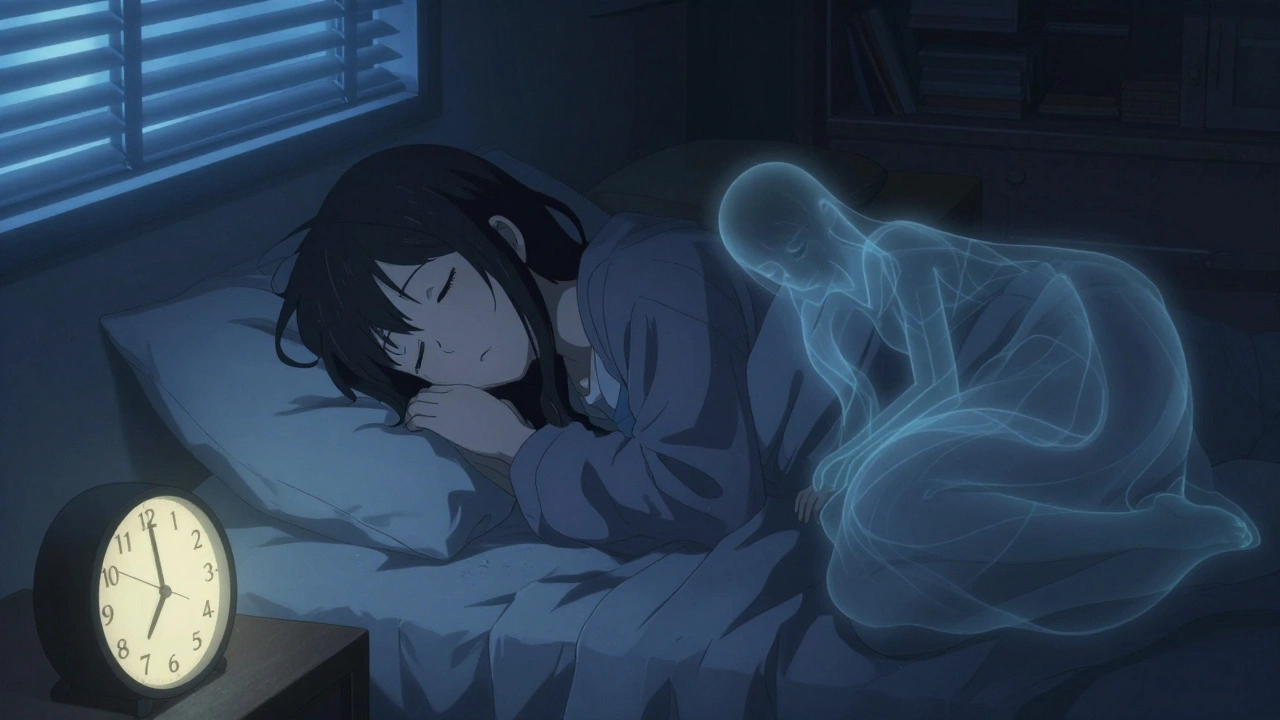
Sleep Restriction Therapy: How to Reset Insomnia Patterns for Good
Sleep Restriction Therapy is a proven, drug-free way to reset chronic insomnia by limiting time in bed to match actual sleep. It rebuilds the brain’s sleep association and improves sleep efficiency-without pills.