QT Prolongation: Risks, Medications, and What You Need to Know
When your heart’s electrical cycle takes too long to reset, it’s called QT prolongation, a delay in the heart’s repolarization phase that can trigger dangerous irregular heartbeats. Also known as long QT syndrome, it’s not always genetic—often, it’s caused by everyday medications. This isn’t just a lab result; it’s a silent trigger for torsades de pointes, a life-threatening type of ventricular arrhythmia that can lead to sudden cardiac arrest. Many people don’t know they’re at risk until they collapse—or worse.
Drugs that cause QT prolongation are everywhere: antibiotics like azithromycin, antifungals, antidepressants, anti-nausea meds, and even some blood pressure pills. It’s not about taking one pill—it’s about stacking them. A common pain reliever like lidocaine, a local anesthetic used in creams and patches, can push someone over the edge if they’re already on another QT-prolonging drug. Even opioids, often prescribed for chronic pain, can mess with your heart’s rhythm over time. The FDA has flagged over 150 medications with this risk, and many are sold over the counter or prescribed without checking for interactions.
People with existing heart conditions, low potassium or magnesium, or older adults are at higher risk. But so are healthy people who take multiple meds without realizing how they interact. You don’t need an ECG every week—but if you’re on more than three prescriptions, or if you feel dizzy, faint, or have palpitations after starting a new drug, don’t ignore it. A simple ECG can catch QT prolongation before it turns deadly.
The posts below cover real cases where medications triggered this hidden danger—from pain creams that caused overdoses to antibiotics that messed with heart rhythms. You’ll find guides on how to spot risky drug combinations, what to ask your doctor before filling a script, and which common meds carry the biggest hidden risk. This isn’t theoretical. It’s the kind of info that keeps you alive.
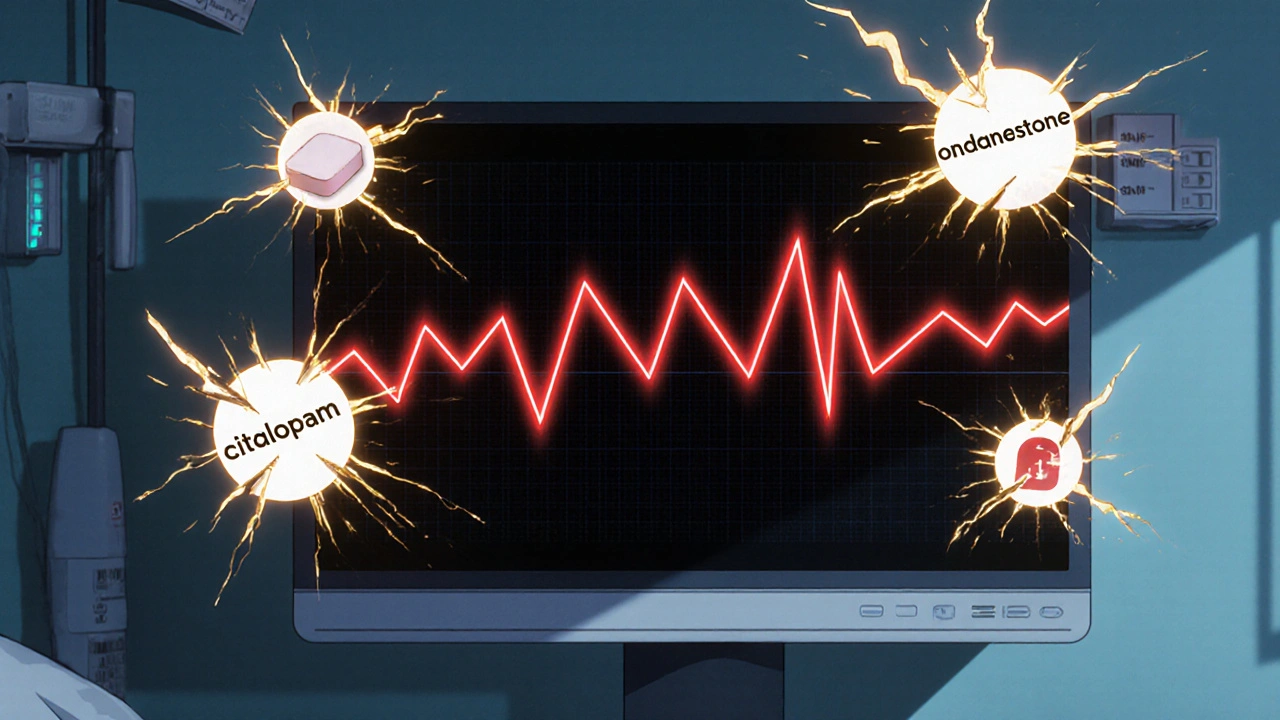
Torsades de Pointes from QT-Prolonging Medications: How to Recognize and Prevent This Deadly Reaction
Torsades de Pointes is a rare but deadly heart rhythm caused by certain medications that prolong the QT interval. Learn how to recognize the warning signs, which drugs are most dangerous, and how to prevent this life-threatening reaction with simple, evidence-based steps.
Categories
- Health and Medicine (137)
- Health and Wellness (41)
- Womens Health (6)
- Mental Health (5)
- Mens Health (5)
- Nutrition and Supplements (4)