
Insulin Travel: What You Need to Know Before Flying with Insulin
When you have diabetes, insulin travel, the practice of safely carrying and using insulin while away from home. It's not just about packing a vial—it’s about planning for heat, security checks, time zones, and emergencies. Millions of people with diabetes travel every year, and most do it without a hitch—but only if they know the basics. Many assume insulin is like any other medication, but it’s not. It’s a biologic that breaks down if it gets too hot, too cold, or too shaken. And airport security doesn’t always know how to handle it.
insulin storage, how you keep insulin at the right temperature before and during travel. insulin temperature matters more than most people think. Unopened insulin should stay refrigerated until use, but once you start using it, it’s fine at room temperature for up to 28 days—depending on the type. That’s why carrying it in a cool pack during summer flights or in a warm pocket during winter hikes isn’t just smart, it’s necessary. You don’t need fancy gear; a small insulated bag with a reusable ice pack works fine. Just never check it in luggage. The cargo hold can drop below freezing or soar over 100°F, and either will ruin your insulin. Then there’s the traveling with insulin, the process of carrying insulin through airports, across borders, and into hotels. diabetes travel tips aren’t just about packing—they’re about communication. Always carry a doctor’s note explaining why you need syringes, pens, or vials. TSA allows insulin and supplies through security, but you might get asked to show them. Keep them in your carry-on, labeled, and ready to go. Some travelers even wear a medical ID bracelet that says "diabetic on insulin"—it can save minutes in a crisis.
Time zones change your schedule, and that changes your insulin timing. If you’re flying east, you might need to take a dose earlier. Going west? You might stretch it out. Don’t guess—plan ahead with your doctor. And always pack extra. At least two days’ worth, in case your flight is delayed or your bag gets lost. Bring glucose tabs, a glucagon kit, and a backup pen. Don’t rely on buying supplies abroad—brands vary, and pharmacies may not carry what you need.
What you’ll find below are real, practical guides from people who’ve been there: how to pack insulin for a 12-hour flight, what to say at customs, why some airlines let you store it in the galley, and how to handle jet lag without a blood sugar crash. No fluff. No theory. Just what works when you’re on the move with diabetes.
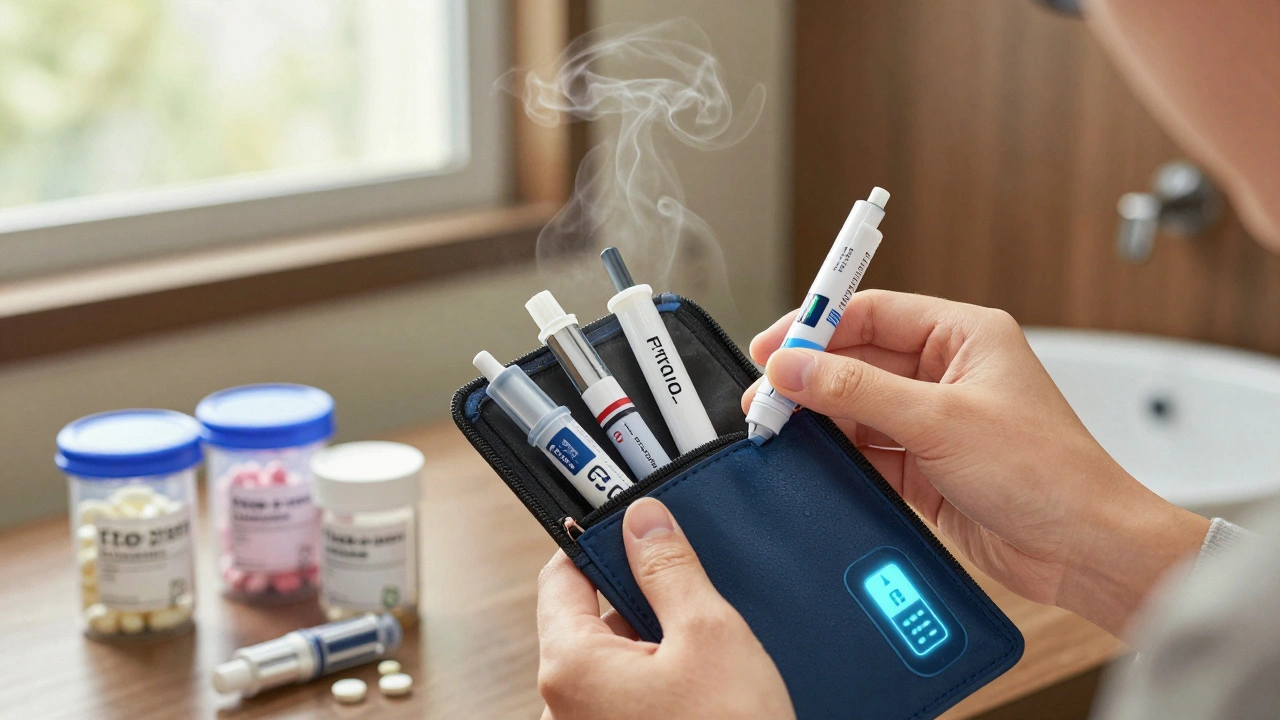
How to Keep Travel Medications Within Shelf Life on Long Trips
Learn how to protect your medications from heat, humidity, and light during long trips. Essential tips for insulin, EpiPens, and other temperature-sensitive drugs to ensure they stay effective and safe.