Endocrine Therapy: What It Is, How It Works, and What You Need to Know
When your body’s hormones start driving disease—like cancer growing in response to estrogen or testosterone—endocrine therapy, a treatment that blocks or lowers hormone production to slow or stop disease progression. Also known as hormone therapy, it doesn’t kill cancer directly. Instead, it starves it of the signals it needs to grow. This isn’t chemotherapy. It’s more like turning off a switch that’s fueling the problem.
Endocrine therapy is most common in breast cancer, especially estrogen-receptor-positive types that rely on estrogen to spread. Drugs like anastrozole, an aromatase inhibitor that cuts estrogen production in postmenopausal women, are standard. For prostate cancer, a disease often fueled by testosterone, therapy might involve drugs that block testosterone production or stop it from binding to cancer cells. These aren’t one-size-fits-all. The right approach depends on your sex, age, cancer stage, and hormone levels.
Side effects are real—hot flashes, joint pain, fatigue, bone thinning—but they’re usually manageable. Many people stay on endocrine therapy for years because the long-term benefit outweighs the discomfort. It’s not glamorous, but it saves lives. Studies show it cuts recurrence risk by up to 50% in early-stage breast cancer. And unlike chemo, you can often keep working, driving, and living normally while on it.
You’ll find posts here that dig into the details: how to handle anastrozole side effects, what to expect when switching drugs, why some men need hormone blockers for prostate cancer, and how to stay on track when treatment lasts years. There’s no fluff. Just straight talk on what works, what doesn’t, and how to make it easier to stick with.
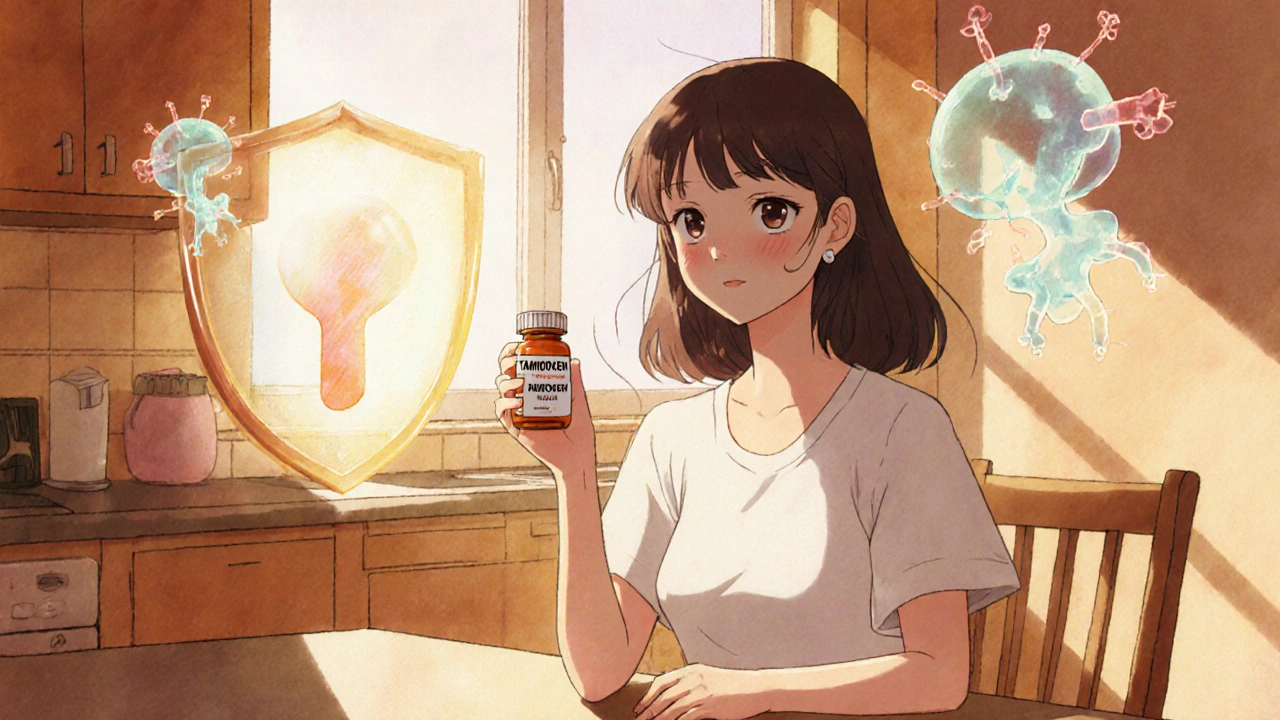
Hormone Therapy for Breast Cancer: Tamoxifen vs Aromatase Inhibitors Explained
Tamoxifen and aromatase inhibitors are key treatments for hormone receptor-positive breast cancer. Learn how they work, their benefits, side effects, and how to choose the right one based on menopause status, risk, and personal health.