
Chronic Insomnia: Causes, Risks, and What Actually Helps
When you struggle to sleep for three nights a week for three months or more, you’re not just tired—you have chronic insomnia, a persistent sleep disorder that disrupts your ability to fall or stay asleep despite having the chance to do so. It’s not the same as a bad night’s sleep after coffee or stress. This is a condition that rewires your body’s sleep clock and often hides behind other health problems. Many people think it’s just anxiety or too much screen time, but it’s more complex. Chronic insomnia often links to sleep disorders, a group of conditions including sleep apnea, restless legs syndrome, and circadian rhythm disruptions, and can be worsened by medications, chronic pain, or mental health issues like depression.
It’s not just about feeling groggy. People with chronic insomnia face higher risks for high blood pressure, heart disease, and weakened immunity. Studies show they’re twice as likely to develop depression and three times more likely to have accidents at work or on the road. The body doesn’t get proper recovery time, and your brain doesn’t clear out toxins the way it should during deep sleep. That’s why treating it isn’t just about sleeping pills—it’s about fixing the root cause. insomnia treatment, a term covering behavioral therapy, lifestyle changes, and sometimes medication works best when it’s personalized. CBT-I (Cognitive Behavioral Therapy for Insomnia) is the gold standard, backed by more research than any drug. It retrains your brain to associate bed with sleep, not worry.
Many try over-the-counter sleep aids or prescription drugs like zolpidem, but those often lead to dependence or side effects like dizziness and memory lapses. Long-term use doesn’t fix the problem—it masks it. Real progress comes from sleep hygiene, a set of daily habits that support natural sleep, like consistent wake times, avoiding caffeine after noon, and reducing blue light exposure before bed. It’s not magic. It’s routine. And it works better than pills for most people over time.
You’ll find posts here that break down how common medications can trigger insomnia, what to do when your sleep aid stops working, and how liver or hormone issues silently sabotage your rest. There’s no one-size-fits-all fix, but there are proven paths forward. Whether you’re dealing with nighttime anxiety, pain keeping you awake, or just feeling like your body forgot how to sleep, the solutions below are real, tested, and focused on what actually changes outcomes—not just temporary fixes.
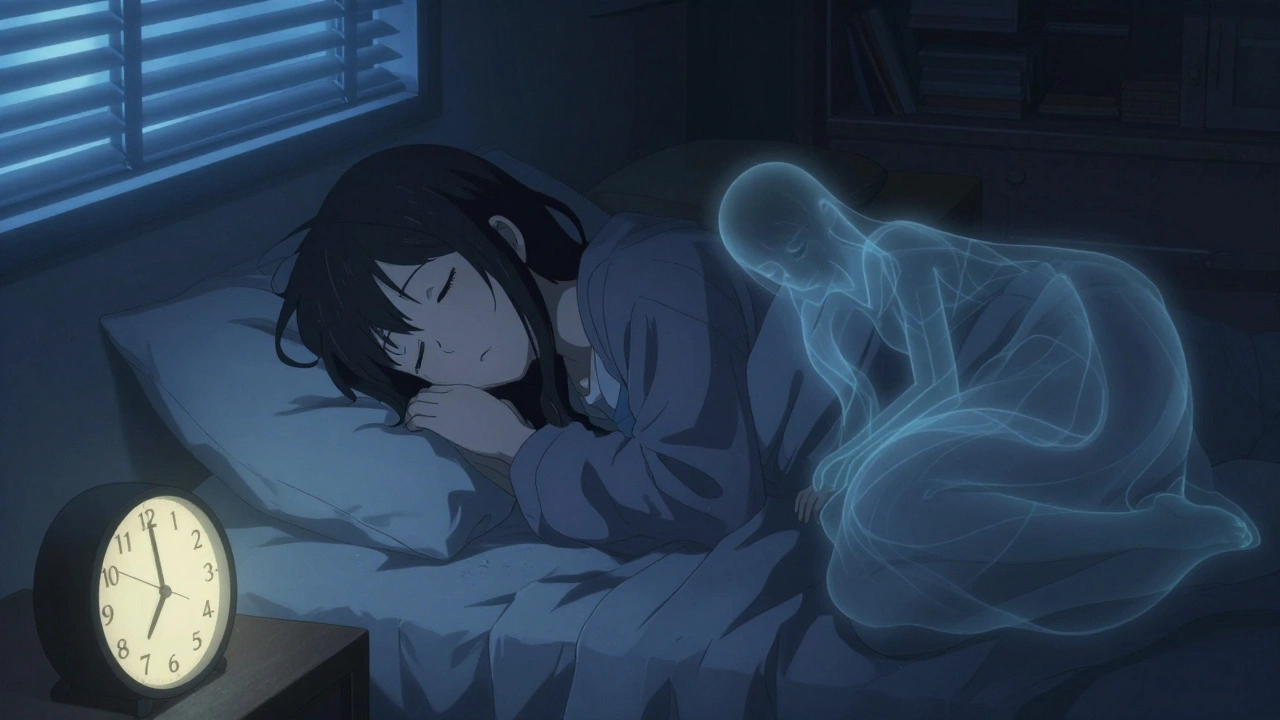
Sleep Restriction Therapy: How to Reset Insomnia Patterns for Good
Sleep Restriction Therapy is a proven, drug-free way to reset chronic insomnia by limiting time in bed to match actual sleep. It rebuilds the brain’s sleep association and improves sleep efficiency-without pills.