Child Eye Test: What Parents Need to Know About Vision Screening
When it comes to child eye test, a simple visual assessment used to detect vision problems in young children before they affect learning and development. Also known as pediatric vision screening, it's not optional—it's essential. Many kids with vision issues don’t say anything because they don’t know what normal sight looks like. By age three, a child’s brain is already wiring itself based on what the eyes send. If one eye is blurry, the brain may start ignoring it entirely, leading to amblyopia, a condition where one eye doesn’t develop proper vision, often called "lazy eye". Catching this early can reverse it. Waiting until school age means missing the critical window.
A child eye test isn’t just about reading an eye chart. It includes checking how well both eyes work together, tracking moving objects, focusing at different distances, and spotting structural problems like cataracts or misaligned eyes. Tools like the photoscreener, a handheld device that takes a quick picture of the eyes to detect refractive errors are now common in pediatric clinics. These can screen toddlers who can’t yet speak or follow instructions. Even if your child seems to see fine—watch for squinting, head tilting, sitting too close to the TV, or frequent eye rubbing. These aren’t just habits—they’re red flags.
Most pediatricians do a basic screen at well-child visits, but they’re not eye specialists. A full exam by a pediatric ophthalmologist or optometrist is needed if there’s a family history of eye problems, premature birth, or any signs of trouble. The American Academy of Ophthalmology recommends a first full eye exam between 6 and 12 months, again at age three, and before starting school. Skipping these steps is like skipping a hearing test—you might not realize the damage until it’s too late.
What you’ll find in the posts below are real, practical guides on what happens during these tests, how to prepare your child, what conditions are most common, and how treatments like patching or glasses can make a difference. You’ll see how retinal vein occlusion, a serious condition that can affect vision in adults, but rarely in children is different from the types of issues kids actually face. You’ll also find advice on spotting bacterial eye infections, a common cause of red, sticky eyes in toddlers, and how to tell them apart from allergies or simple irritation. This isn’t theory—it’s what parents actually need to know to protect their child’s sight before it’s too late.
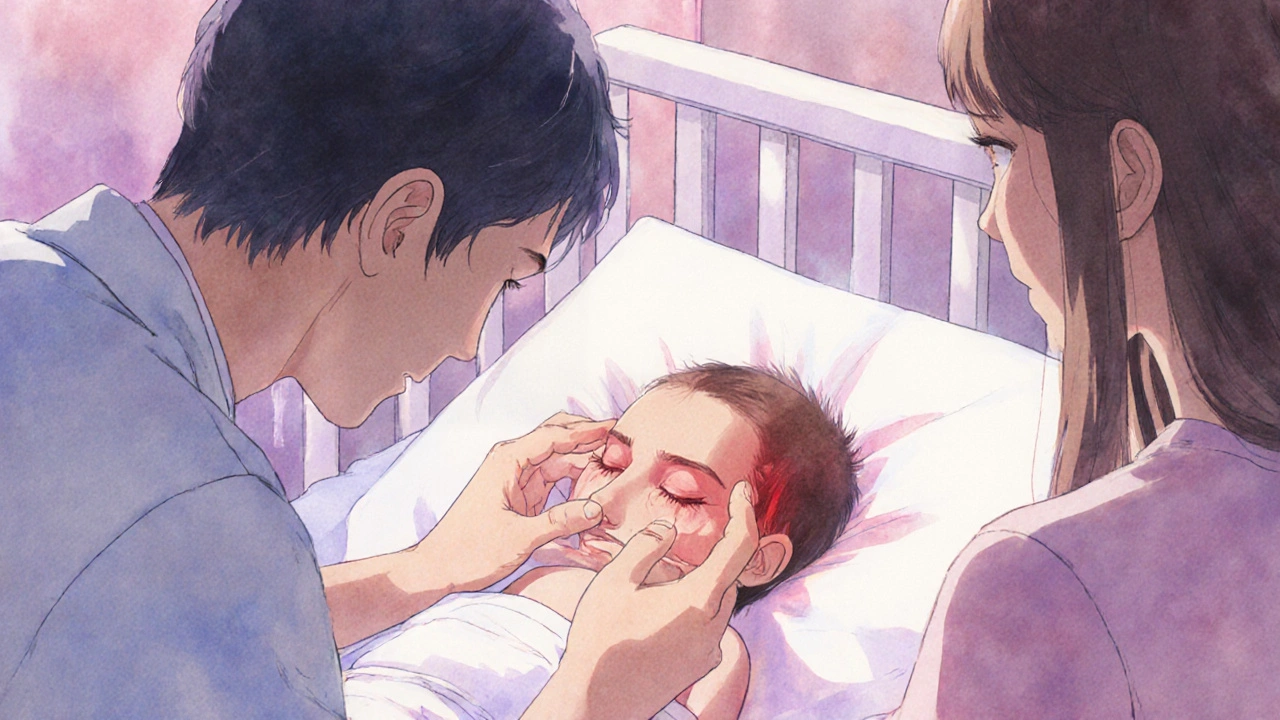
Pediatric Vision Screening: How Early Detection Prevents Lifelong Vision Problems
Pediatric vision screening catches hidden eye problems like amblyopia and strabismus before age 5, when treatment is most effective. Learn how it works, why it matters, and what parents need to know.