
Retinal Vein Occlusion: Causes, Risks, and What You Can Do
When a vein in your retina gets blocked, it’s called retinal vein occlusion, a sudden blockage in the blood vessel that drains blood from the retina, leading to vision loss. Also known as eye stroke, it doesn’t always hurt—but it can steal your sight fast. This isn’t just a random glitch. It’s often tied to something deeper, like high blood pressure, diabetes, or thickened blood. If you’re over 50, or have high cholesterol, this isn’t something to ignore.
Think of your retina like a garden. The veins are the drainage system. If one gets clogged, water backs up, roots drown, and plants die. In your eye, that means fluid leaks, swelling happens, and vision gets blurry or dark. It’s not just one condition—it’s a warning sign. Many people with retinal vein occlusion also have high blood pressure, a silent condition that damages blood vessels throughout the body, including those in the eye. Others have diabetes, a disease that weakens small blood vessels over time, making blockages more likely. Even glaucoma or blood clotting disorders can play a role. It’s not about one thing—it’s about how your whole system is holding up.
What you can do matters. Controlling your blood pressure isn’t just about heart health—it’s about protecting your vision. Managing blood sugar helps too. Stopping smoking, cutting back on salt, and staying active aren’t just good advice—they’re direct ways to lower your risk. And if you’ve already had one blockage, you’re at higher risk for another. That’s why regular eye checks aren’t optional. Your eye doctor can spot early signs before you even notice vision changes.
You’ll find posts here that dig into how medications like blood thinners or eye injections help, how lifestyle changes make a real difference, and how conditions like diabetes or high cholesterol connect to what’s happening in your eye. No fluff. Just clear, practical info on what’s going on inside your eye and what steps actually work to protect your sight.
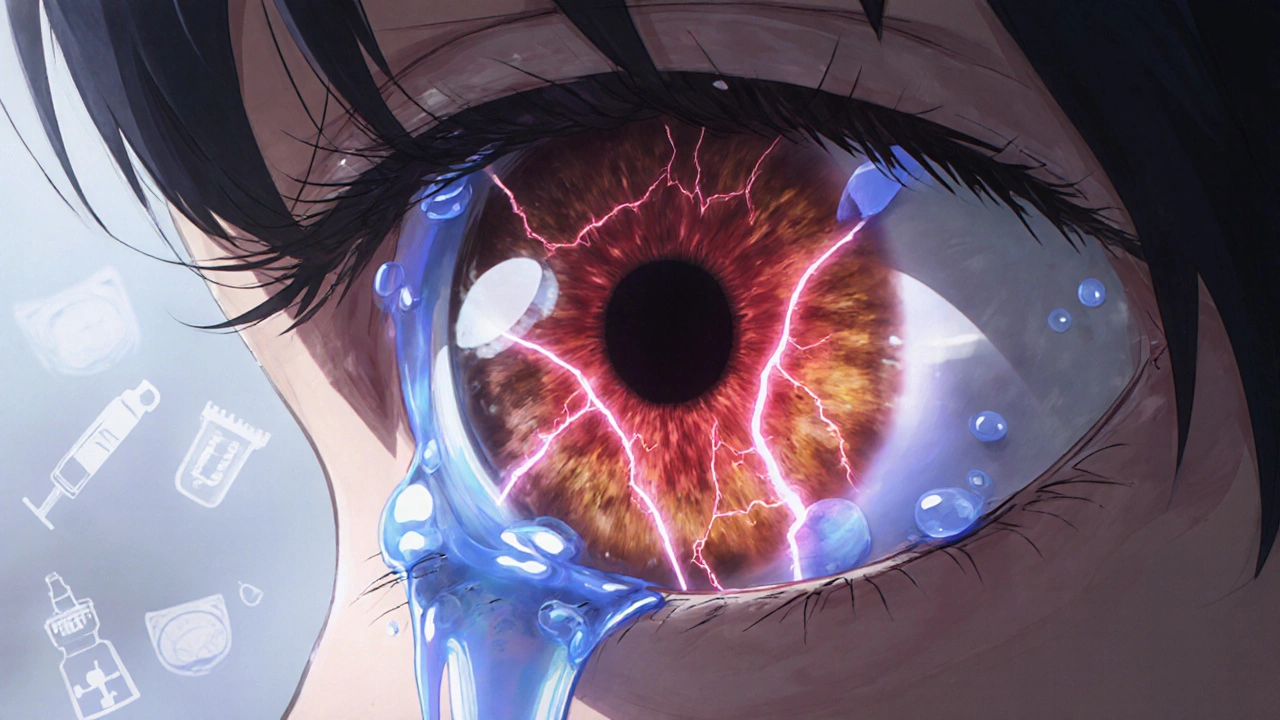
Retinal Vein Occlusion: Risk Factors and Injections Explained
Retinal vein occlusion can cause sudden vision loss. Learn the top risk factors like high blood pressure and diabetes, and how anti-VEGF injections help restore sight. Understand treatment options, costs, and what to expect.