Menthol Burns: What Causes Them and How to Treat Them Safely
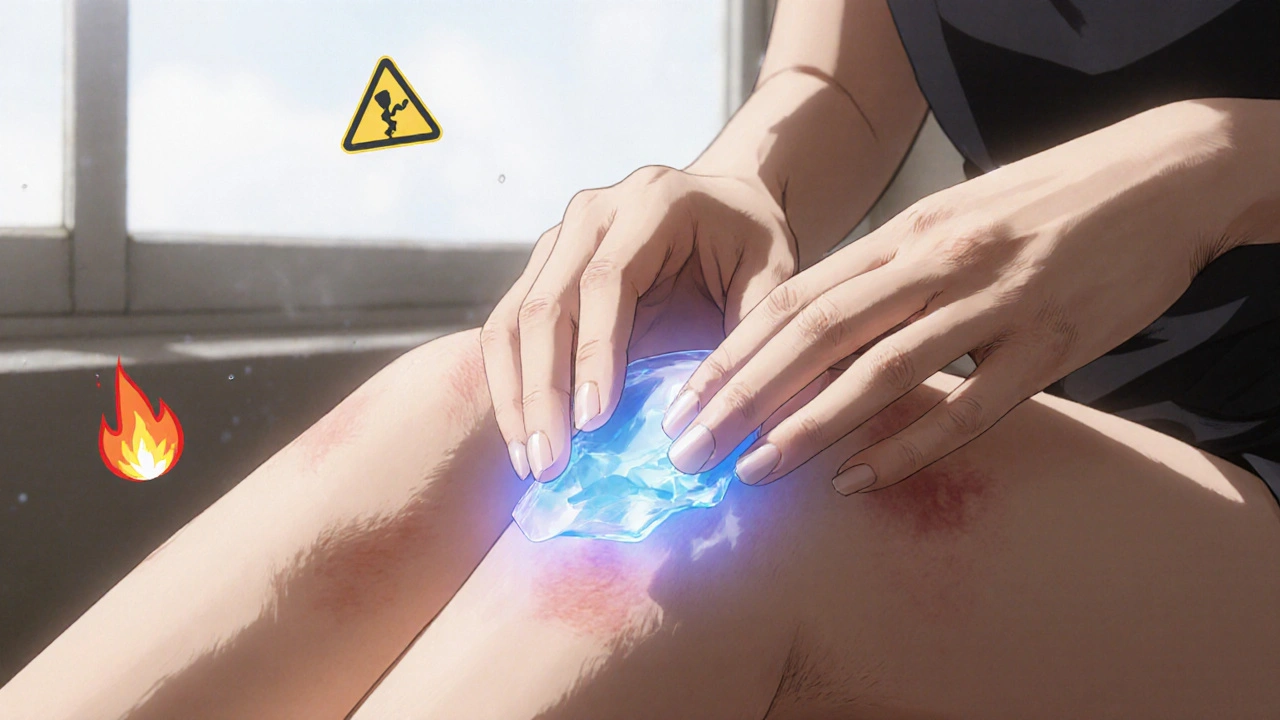
When you rub on a cooling balm or stick on a pain patch, you expect relief—not a burning sensation. But menthol burns, a type of chemical irritation caused by high concentrations of menthol on sensitive skin. Also known as cold burns, they’re not from heat, but from how menthol tricks your nerves into feeling cold, then pain. It’s not rare. People get them from overusing muscle rubs, vapor rubs, or even mint-flavored lip balms applied too often. The skin doesn’t blister like a sunburn, but it turns red, stings, and sometimes peels. This isn’t an allergy—it’s a direct reaction to the compound’s intensity.
Most topical agents, products applied directly to the skin for pain, congestion, or itch relief contain menthol because it works fast. But concentration matters. Over-the-counter creams usually have 1% to 5%. Anything above 10%—like some herbal remedies or industrial-grade products—can overwhelm skin, especially on the face, groin, or around the eyes. Kids and older adults are more vulnerable. Their skin is thinner, and their nerves react more strongly. Even a patch left on too long can cause a burn. You don’t need to be allergic. You just need too much menthol in one spot for too long.
Cold therapy side effects, unintended reactions from cooling agents used for pain or inflammation are often ignored because they feel "normal" at first. That tingling? That’s menthol activating TRPM8 receptors—the same ones that respond to ice. But when those receptors get overloaded, they send pain signals instead. That’s when the burn starts. People mistake it for the product working harder. It’s not. It’s your skin crying for mercy. If you’ve ever felt a sharp sting after applying a menthol rub to a sunburn or broken skin, you’ve seen this in action. It’s not healing. It’s irritating.
What you can do is simple: stop using the product right away. Wash the area gently with cool water and mild soap. Don’t scrub. Don’t use alcohol. Don’t slap on more cream to "fix" it. Let the skin breathe. Aloe vera or plain petroleum jelly can help soothe it. If it’s still burning after 24 hours, or if blisters form, see a doctor. You might need a mild steroid cream. But most cases heal on their own in a few days if you leave it alone.
There’s a reason this shows up in posts about drug side effects, skin reactions, and even pharmacy safety. People don’t realize how potent these everyday products are. A menthol burn isn’t a medical emergency—but it’s a warning sign you’re pushing your body too far. The same people who worry about opioid risks or QT prolongation often overlook the simple stuff they put on their skin every day. That’s why this collection includes posts on medication safety, topical treatments, and unexpected side effects. You’ll find real stories, real data, and real fixes—not hype, not guesses. If you’ve ever been burned by something meant to help, you’re not alone. And you’re not overreacting. This is exactly what you need to know.
OTC Topical Pain Relievers: Creams, Gels, and Patches Safety Guide
Learn the real safety risks of OTC topical pain relievers like creams, gels, and patches. Discover which ingredients can cause burns, how lidocaine overdoses happen, and how to use them safely without harming your skin or health.
Categories
- Health and Medicine (137)
- Health and Wellness (41)
- Womens Health (6)
- Mental Health (5)
- Mens Health (5)
- Nutrition and Supplements (4)