Macular Edema: Causes, Treatments, and What You Need to Know
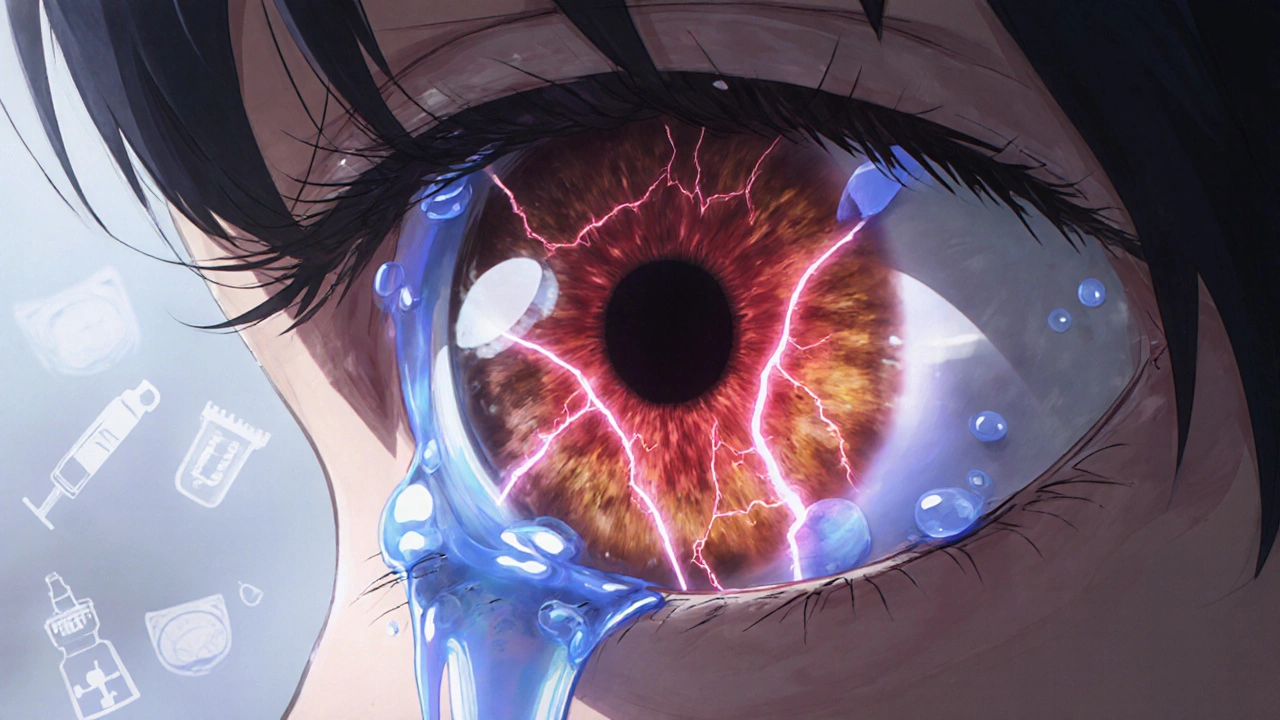
When fluid builds up in the macular edema, a condition where fluid accumulates in the macula, the central part of the retina responsible for sharp vision. Also known as macular swelling, it doesn’t cause pain—but it can steal your ability to read, drive, or recognize faces. This isn’t just a side effect of aging. It’s often linked to deeper health issues like diabetic retinopathy, a complication of diabetes that damages blood vessels in the eye, or inflammation after eye surgery. Left unchecked, it leads to permanent vision loss. The good news? Early detection and the right treatment can stop it in its tracks.
Most cases of macular edema happen because tiny blood vessels in the retina leak fluid. This is common in people with diabetes, a condition that affects how the body uses blood sugar and damages blood vessels over time. But it’s not just diabetics. People with high blood pressure, uveitis, or those who’ve had cataract surgery can also develop it. The key symptom? Blurry or wavy vision, especially in the center of your sight. Colors might look faded. Reading small print becomes a struggle. If you notice any of this, don’t wait. A simple eye exam can catch it before it worsens.
Treatment has changed a lot in the last decade. The go-to option now is anti-VEGF injections, medications injected directly into the eye to block the protein that causes abnormal blood vessel growth and leakage. Drugs like Avastin, Eylea, and Lucentis have helped millions keep their vision. Steroid implants are another option, especially if inflammation is the main cause. Laser therapy is still used, but less often—today’s injections are more precise and effective. What matters most isn’t just the treatment, but catching it early. If you have diabetes, get your eyes checked at least once a year—even if your vision feels fine.
There’s no magic supplement or home remedy that fixes macular edema. But managing your overall health helps. Keeping blood sugar, blood pressure, and cholesterol in check reduces the risk. Quitting smoking, eating leafy greens, and wearing UV-blocking sunglasses support long-term eye health. The science is clear: your eyes reflect what’s happening in your body. If you’re managing a chronic condition, your eye doctor is just as important as your primary care provider.
Below, you’ll find real-world guides on how medications, lifestyle changes, and monitoring can protect your vision. Whether you’re dealing with diabetic complications, post-surgery swelling, or just want to understand what’s happening to your eyes, these posts give you clear, no-fluff answers. No jargon. No guesses. Just what works.
Retinal Vein Occlusion: Risk Factors and Injections Explained
Retinal vein occlusion can cause sudden vision loss. Learn the top risk factors like high blood pressure and diabetes, and how anti-VEGF injections help restore sight. Understand treatment options, costs, and what to expect.
Categories
- Health and Medicine (141)
- Health and Wellness (41)
- Womens Health (6)
- Mental Health (5)
- Mens Health (5)
- Nutrition and Supplements (4)