Hepatic Encephalopathy Nutrition: What to Eat and Avoid for Liver Brain Health
When your liver can’t filter toxins properly, ammonia builds up and messes with your brain—that’s hepatic encephalopathy, a condition where liver failure leads to confusion, memory issues, and even coma. Also known as liver brain syndrome, it’s not just about the liver—it’s about what you put on your plate. The right hepatic encephalopathy nutrition can stop symptoms from getting worse, and in some cases, even reverse them.
Your body makes ammonia when it breaks down protein. A healthy liver turns it into urea and flushes it out. But when the liver is damaged, ammonia stays in your blood and reaches your brain. That’s why protein gets a bad rap—but cutting it out completely is a mistake. You still need protein to keep muscle mass, fight infection, and heal. The trick is choosing the right kind. Plant-based proteins like beans, lentils, and tofu are easier on the liver than red meat. Studies show that branched-chain amino acids, a specific group of amino acids found in dairy, eggs, and supplements help balance brain chemicals and reduce confusion in people with liver disease. They’re not magic, but they’re one of the few things proven to help.
Then there’s sodium. Too much salt means fluid retention, which increases pressure in your belly and makes liver problems worse. Avoid canned soups, processed meats, and fast food. Instead, flavor meals with herbs, lemon, or garlic. Fiber matters too—it pulls ammonia out of your gut before it gets absorbed. Oats, apples, and flaxseed are simple, safe choices. And don’t skip meals. Going too long without eating forces your body to break down muscle for energy, which spikes ammonia even more. Small, frequent meals are better than three big ones.
Some people with hepatic encephalopathy need lactulose, a sugar that pulls ammonia out of the intestines. But it works best when paired with the right diet. If you’re taking it, you’ll need more fiber and fluids to keep things moving. Avoid alcohol completely—it’s poison to your liver. And while supplements like zinc or probiotics sound helpful, don’t start them without talking to your doctor. Too much of the wrong thing can backfire.
You’ll see posts here about how to track your symptoms, what lab tests to watch, and how to adjust your diet when things change. Some people improve quickly with simple swaps. Others need more help. No two cases are the same, but the core rules stay the same: manage protein, reduce sodium, eat fiber, and never go hungry. This isn’t about a strict diet—it’s about making your liver’s job easier, one meal at a time.
Cirrhosis Nutrition: How to Get Enough Protein to Preserve Muscle and Improve Survival
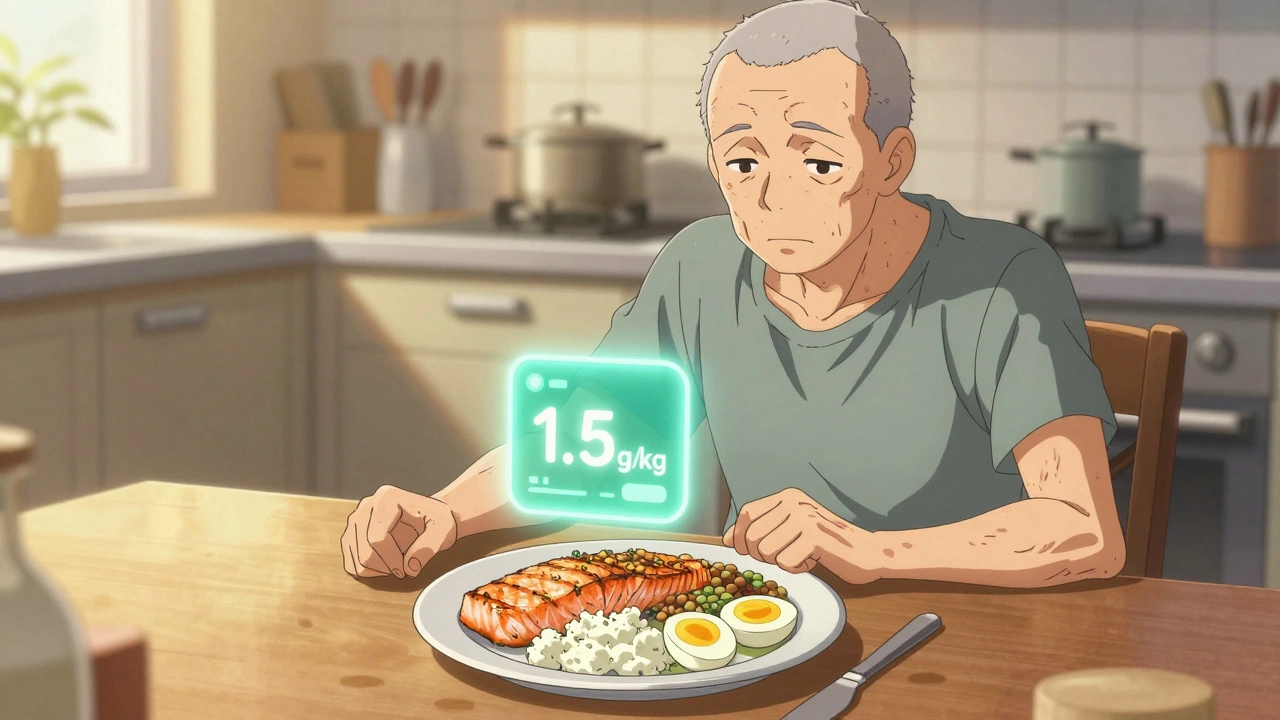
Cirrhosis increases your need for protein to prevent muscle loss and improve survival. Learn how much to eat, what sources work best, and why timing matters more than you think.
Categories
- Health and Medicine (141)
- Health and Wellness (41)
- Womens Health (6)
- Mental Health (5)
- Mens Health (5)
- Nutrition and Supplements (4)