Citalopram QT Risk: What You Need to Know About Heart Rhythm Dangers
When you take citalopram, a common SSRI antidepressant used to treat depression and anxiety. It's known for helping mood—but it also carries a hidden risk: Celexa, its brand name, can mess with your heart’s electrical system. This isn’t about feeling dizzy or tired. It’s about something more serious: QT prolongation, a delay in the heart’s electrical reset after each beat. When this happens, your heart can slip into a dangerous rhythm called torsades de pointes, which can lead to sudden cardiac arrest.
The risk isn’t the same for everyone. People over 60, those with existing heart conditions, or anyone taking other drugs that also affect the QT interval are at higher risk. Even something as simple as low potassium or low magnesium can make the problem worse. The FDA set a hard limit: no more than 40 mg per day for most adults, and only 20 mg if you’re over 60 or have liver problems. Higher doses don’t help depression more—they just raise the chance of your heart going off rhythm.
Doctors don’t just hand out citalopram and hope for the best. They check your medical history, run an ECG before you start, and sometimes again after a few weeks. If you’re on other meds like antifungals, antibiotics, or even some antivirals, they’ll avoid citalopram entirely. It’s not about fear—it’s about smart management. You don’t need to stop the drug if you’re stable and monitored. But if you feel your heart skipping, fluttering, or racing, or if you suddenly feel faint, don’t wait. Get checked.
This isn’t just about citalopram. Other SSRIs like escitalopram carry similar, though lower, risks. Fluoxetine and sertraline are safer bets for people with heart concerns. But if citalopram works best for you, it’s still an option—if you’re watched closely. The key is awareness. Knowing the signs, understanding your dose, and telling your doctor about every other pill you take—even over-the-counter ones.
Below, you’ll find real-world guides from pharmacists and clinicians who’ve seen this risk up close. They break down how to spot trouble early, what tests matter most, and how to balance mental health needs with heart safety. No fluff. Just what works.
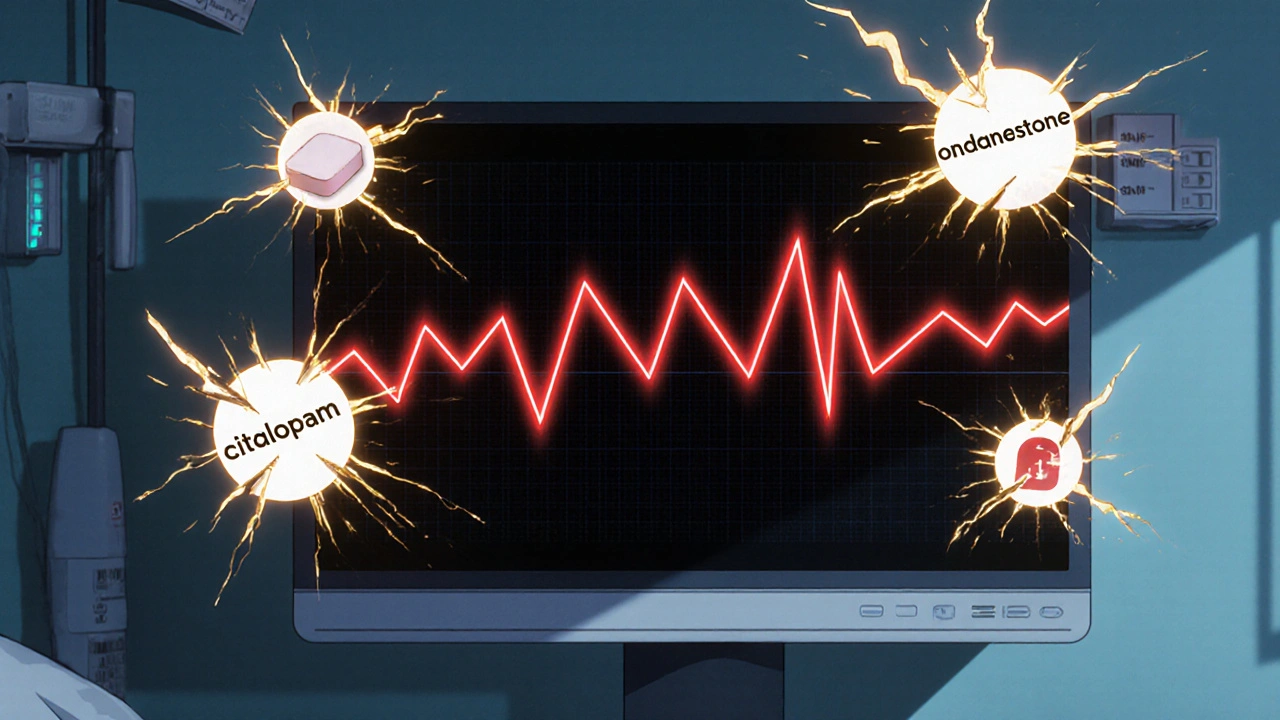
Torsades de Pointes from QT-Prolonging Medications: How to Recognize and Prevent This Deadly Reaction
Torsades de Pointes is a rare but deadly heart rhythm caused by certain medications that prolong the QT interval. Learn how to recognize the warning signs, which drugs are most dangerous, and how to prevent this life-threatening reaction with simple, evidence-based steps.
Categories
- Health and Medicine (137)
- Health and Wellness (41)
- Womens Health (6)
- Mental Health (5)
- Mens Health (5)
- Nutrition and Supplements (4)