
Cirrhosis Protein Intake: How Much Protein You Really Need with Liver Disease
When you have cirrhosis, a late-stage liver disease where healthy tissue is replaced by scar tissue. Also known as liver scarring, it changes how your body handles nutrients—especially protein. For years, doctors told people with cirrhosis to cut back on protein, fearing it would trigger confusion or coma from hepatic encephalopathy, a brain disorder caused by toxin buildup. But that advice was wrong—and it’s been hurting patients for decades.
Here’s the reality: your body needs protein to repair muscles, fight infection, and keep your liver working as well as it can. Studies show that people with cirrhosis who eat too little protein lose muscle faster, get weaker, and end up in the hospital more often. The liver doesn’t break down protein well in cirrhosis, but that doesn’t mean you should avoid it. It means you need the right kind, at the right time, and in the right amount. Most guidelines now recommend 1.2 to 1.5 grams of protein per kilogram of body weight daily—about the same as a healthy adult. For someone weighing 70 kg, that’s roughly 85–105 grams of protein a day. Good sources? Eggs, lean chicken, fish, tofu, cottage cheese, and whey protein. Avoid processed meats and fried proteins—they’re harder to digest and often loaded with salt.
Not all protein is equal when your liver is damaged. Plant-based proteins like beans and lentils are easier on the system than red meat, and dairy proteins like casein and whey are absorbed slowly, helping to keep ammonia levels stable. If you’re struggling with hepatic encephalopathy, your doctor might suggest branched-chain amino acid supplements or lactulose to help clear toxins—but even then, you still need protein. Cutting it out won’t fix your brain fog; it’ll just make you weaker. The goal isn’t to eliminate protein, it’s to manage how your body processes it. That’s why timing matters: spreading protein evenly across meals, not loading it all into one big dinner, helps your liver handle it better.
You don’t need a PhD to get this right. Start by tracking your daily protein with a simple app or food diary. If you’re losing muscle, feeling tired all the time, or getting sick often, low protein might be the cause—not the cure. Talk to your doctor or a dietitian who knows liver disease. They can help you find a balance that keeps your liver from getting worse and your body strong enough to fight it. The science is clear: protein isn’t the enemy. Ignoring it is.
Below, you’ll find real, practical advice from people who’ve been there—how to eat well without triggering confusion, what foods actually help, and what myths still trip up patients today.
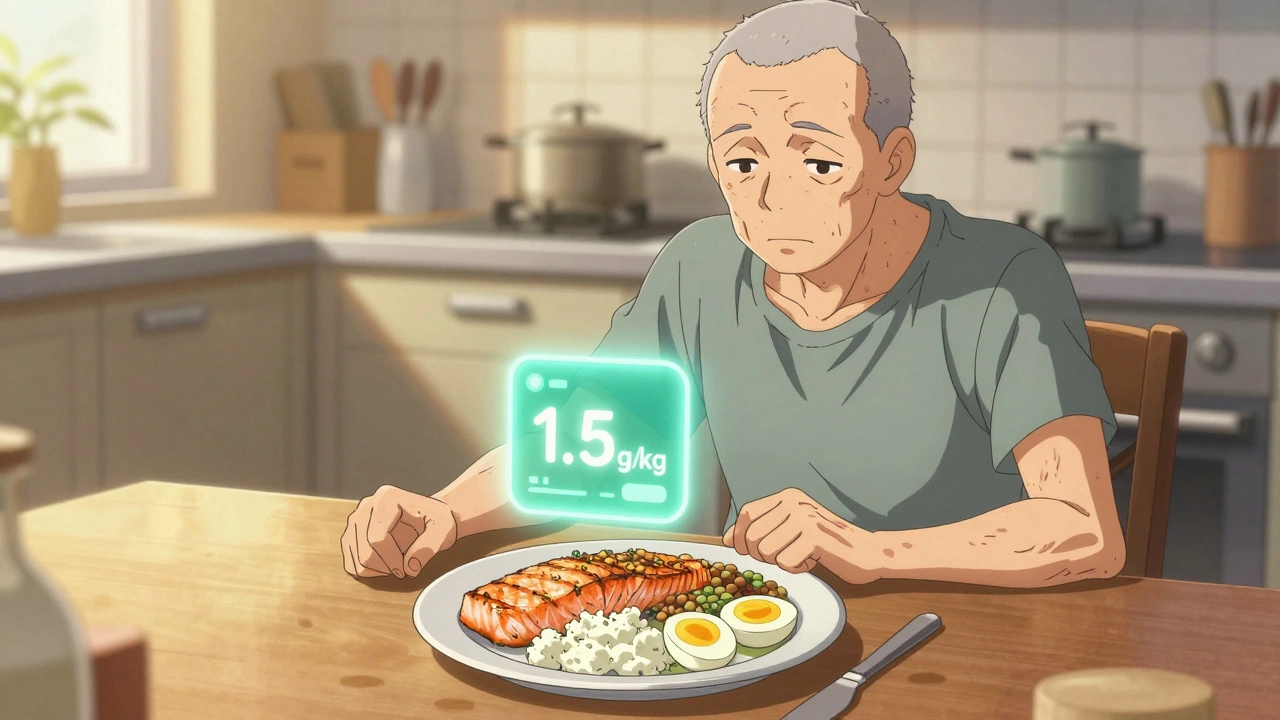
Cirrhosis Nutrition: How to Get Enough Protein to Preserve Muscle and Improve Survival
Cirrhosis increases your need for protein to prevent muscle loss and improve survival. Learn how much to eat, what sources work best, and why timing matters more than you think.