Cirrhosis Diet: What to Eat and Avoid for Liver Health
When your liver is scarred from cirrhosis, a late-stage liver disease where healthy tissue is replaced by scar tissue, impairing function. Also known as liver cirrhosis, it doesn't just affect how your body processes food—it changes what your body can safely handle. The right diet won’t reverse the scarring, but it can slow damage, reduce fluid buildup, and keep you feeling stronger longer.
One of the biggest problems in cirrhosis is ascites, fluid buildup in the abdomen that causes swelling and discomfort. This happens because your liver can’t make enough protein to keep fluids in your blood vessels. Cutting back on sodium, salt, which draws water into tissues and worsens swelling is the first rule. Most people with cirrhosis need under 2,000 mg a day—less than one teaspoon of salt. That means no canned soups, processed meats, soy sauce, or chips. Read labels. Cook at home. Use herbs instead of salt.
Another risk is hepatic encephalopathy, a brain disorder caused by toxins your liver can’t filter. Too much protein can make this worse, but too little makes you weak. The trick? Spread protein evenly through the day—eggs, lean chicken, tofu, or low-fat dairy. Avoid red meat and skip raw shellfish, which can carry dangerous bacteria your liver can’t fight. If you’re confused or forgetful, your doctor might suggest plant-based proteins first.
Alcohol? Absolutely off-limits. Even a sip can cause more damage. And while some people think supplements help, many—like high-dose vitamin A or iron—can hurt your liver. Stick to a basic multivitamin only if your doctor says so. Stay hydrated, but don’t overdo fluids if you have ascites. Your body’s already struggling to balance things.
What you eat affects how tired you feel, how much you swell, and even how clearly you think. A cirrhosis diet isn’t about restriction—it’s about smart choices that give your liver a fighting chance. The posts below give you real, practical advice: how to plan meals, what brands of low-sodium foods actually work, how to handle appetite loss, and what to do when you’re losing weight too fast. No fluff. No guesswork. Just what helps.
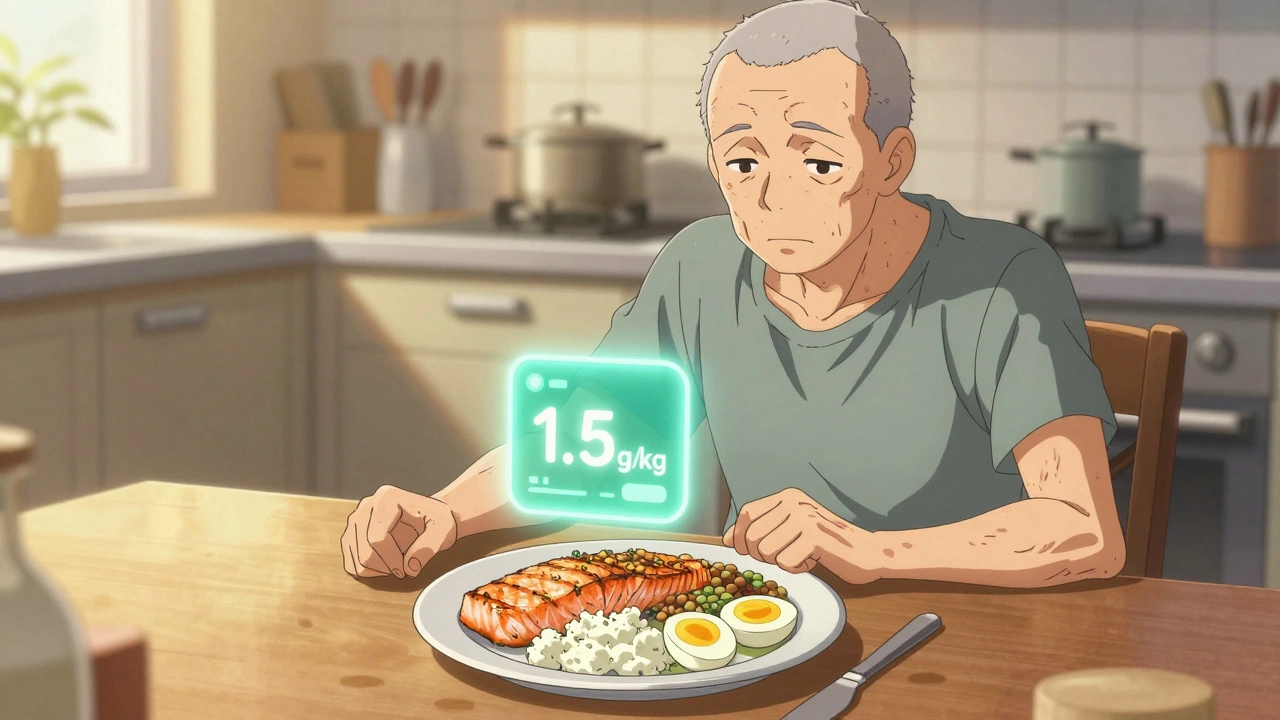
Cirrhosis Nutrition: How to Get Enough Protein to Preserve Muscle and Improve Survival
Cirrhosis increases your need for protein to prevent muscle loss and improve survival. Learn how much to eat, what sources work best, and why timing matters more than you think.
Categories
- Health and Medicine (141)
- Health and Wellness (41)
- Womens Health (6)
- Mental Health (5)
- Mens Health (5)
- Nutrition and Supplements (4)