
CBT-I: What It Is and How It Helps with Chronic Insomnia
When you can’t sleep night after night, pills might seem like the only answer—but CBT-I, Cognitive Behavioral Therapy for Insomnia, is a structured, drug-free approach that rewires how your brain thinks about sleep. Also known as Cognitive Behavioral Therapy for Insomnia, it’s not just about relaxation tricks or counting sheep. It’s a proven, time-tested method that fixes the root causes of sleep problems, not just the symptoms. Unlike sleeping pills that wear off or cause dependency, CBT-I gives you tools that last long after therapy ends.
CBT-I works because insomnia isn’t just about being tired—it’s often about anxiety, bad habits, and learned patterns. You might be spending too much time in bed awake, checking the clock, or stressing over sleep. That trains your brain to associate your bed with worry, not rest. Sleep hygiene, a set of daily habits like avoiding caffeine after noon or keeping a consistent wake time, is part of it, but CBT-I goes deeper. It includes stimulus control, a technique that rebuilds the link between your bed and sleep by limiting bed use to sleep and sex only, and sleep restriction, a method that temporarily limits time in bed to match actual sleep, making you tired enough to fall asleep fast. These aren’t guesses—they’re backed by clinical trials showing CBT-I works better than medication for long-term results.
People who stick with CBT-I often sleep 30 to 60 minutes more per night within weeks, and the gains stick. It’s recommended by the American College of Physicians and used in VA hospitals, sleep clinics, and even apps backed by researchers. You don’t need a therapist to start—many programs work through guided books or digital platforms. But the core idea is simple: stop fighting sleep, stop lying awake stressed in bed, and let your body relearn how to rest naturally.
Below, you’ll find real-world advice from posts that cover everything from how to track your sleep patterns to dealing with medication side effects that mess with rest, and how to make lifestyle changes that support better sleep without drugs. Whether you’re struggling with anxiety, medication-induced insomnia, or just can’t shut off your mind at night, there’s a strategy here that fits your situation.
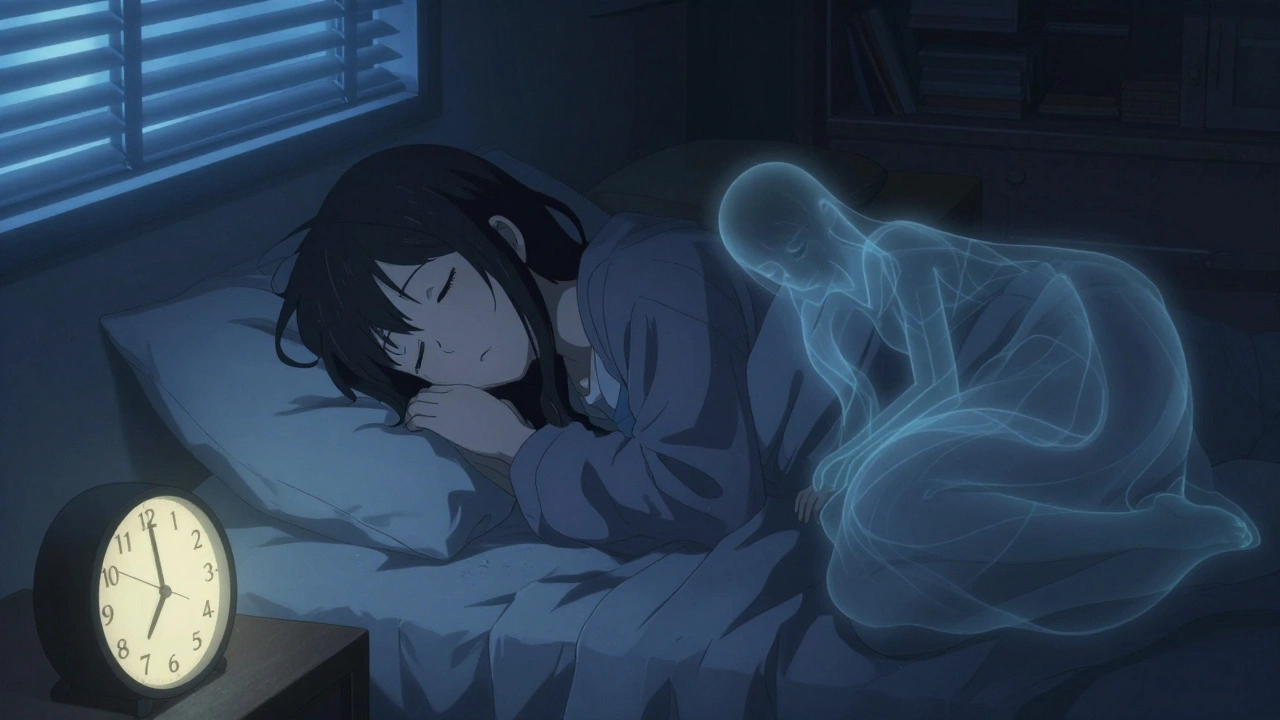
Sleep Restriction Therapy: How to Reset Insomnia Patterns for Good
Sleep Restriction Therapy is a proven, drug-free way to reset chronic insomnia by limiting time in bed to match actual sleep. It rebuilds the brain’s sleep association and improves sleep efficiency-without pills.