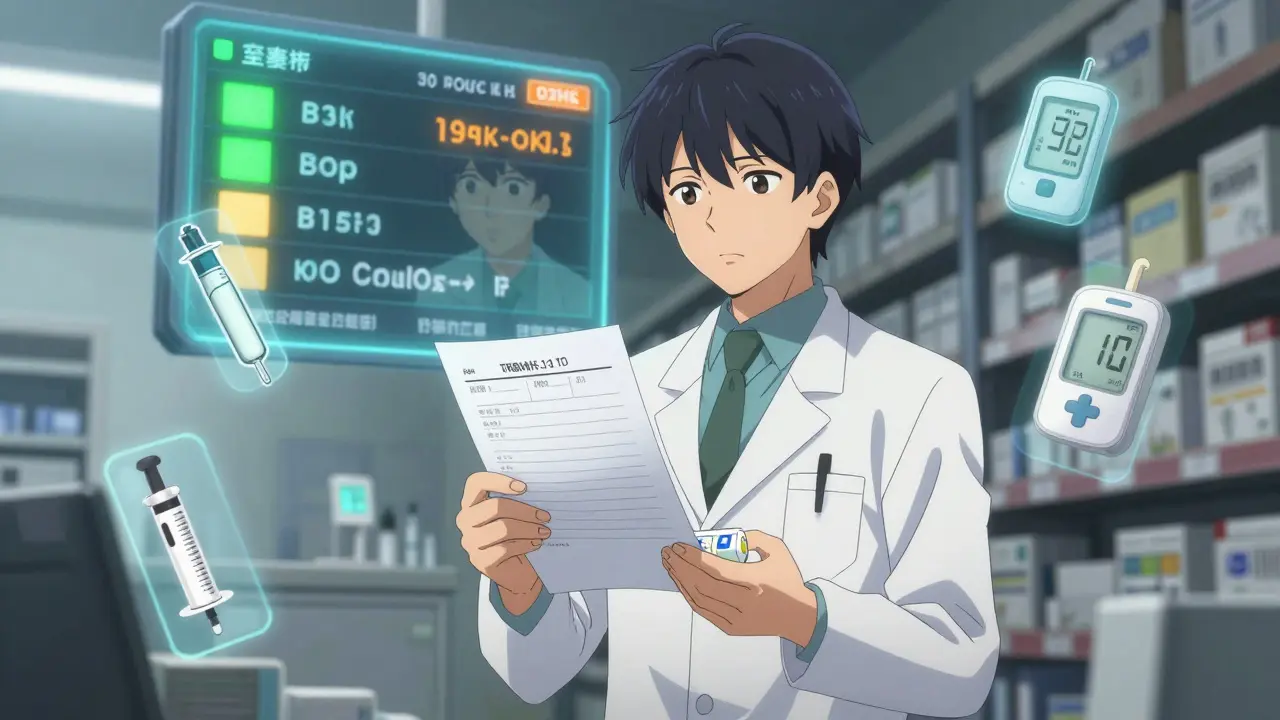
Why Partial Fills and Back-Orders Cause Dispensing Errors
When a customer orders multiple items and only some are in stock, you’re left with a partial fill. If the rest can’t be shipped right away, it becomes a back-order. Sounds simple? It’s not. In pharmacies, clinics, and medical supply stores, these situations are where dispensing errors creep in. A wrong item gets shipped. A patient gets half their prescription. The other half arrives days later-maybe even the wrong dose. That’s not just inconvenience. That’s risk.
According to FCB Company’s 2024 analysis, 10-15% of all retail orders in healthcare-related sectors experience back-orders, and that number climbs to 25% for specialized medical devices or compounded medications. When inventory systems aren’t synced, staff get confused. One person thinks an item is on order. Another thinks it’s back-ordered. The patient gets neither. Or worse-they get something they didn’t ask for.
These aren’t just operational hiccups. They’re patient safety issues. A 2023 study by the Australian Institute of Health Safety found that 31% of medication dispensing errors in community pharmacies stemmed from incomplete order fulfillment processes. The root cause? Poorly managed partial fills and back-orders.
How Back-Order Policies Shape Your Risk
Not all back-orders are created equal. The way you handle them determines whether you’re protecting your customers-or putting them at risk.
There are four main policies used in medical and retail fulfillment:
- Default backorder policy-items ship as they become available. Simple, but risky if a patient needs all items together.
- All-or-nothing policy-hold the entire order until every item is ready. Safe for complex prescriptions like multi-drug regimens, but frustrating if one item is delayed for weeks.
- Up-to-X shipments policy-allow 2 or 3 partial shipments max. Good balance for chronic condition supplies.
- Ship-as-available policy-send anything in stock immediately. Most common, but highest error rate if not tracked tightly.
For medications, especially those with strict dosing schedules, the all-or-nothing approach is often safest. For chronic condition supplies like insulin pens or blood pressure monitors, the up-to-X policy works better. You don’t want a patient running out because one item is delayed.
NetSuite’s 2024 inventory guidelines recommend setting policy rules by product type-not by customer. A diabetes test strip? Ship as available. A custom-made orthopedic brace? All-or-nothing. Automate this in your system. Don’t leave it to staff memory.
Real-Time Inventory Is Not Optional
If your inventory count is outdated by even 10 minutes, you’re already setting up for errors. Fabric Inc’s 2023 technical guide states that systems must update inventory within 5-10 seconds of any change-whether it’s a sale, return, or restock.
Think about this: a nurse orders 10 glucose monitors. Your system shows 8 in stock. You ship 8. Two minutes later, another order comes in for 5. Your system still shows 8, so it approves it. Now you’re short. The second customer doesn’t get their order. The first customer gets a partial fill. Someone gets the wrong number of supplies. That’s how errors compound.
Implement real-time sync between your point-of-sale system, warehouse management software, and online ordering portal. Use barcode scanning at every step-receiving, picking, packing, shipping. No manual entry. No exceptions.
FIDELITONE’s Dave Butterly confirms: "FIFO (first-in, first-out) inventory allocation lets you pull stock straight from the receiving dock the moment it arrives. No waiting. No misplacement. Orders ship the same day." That’s how you avoid back-orders before they happen.
Invoice and Billing Accuracy Saves Trust
One of the biggest complaints in Capterra reviews from Q2 2024? "Systems don’t track which items were shipped in partial orders." That leads to billing errors. Patients get charged for items they haven’t received. Or worse-they’re billed twice.
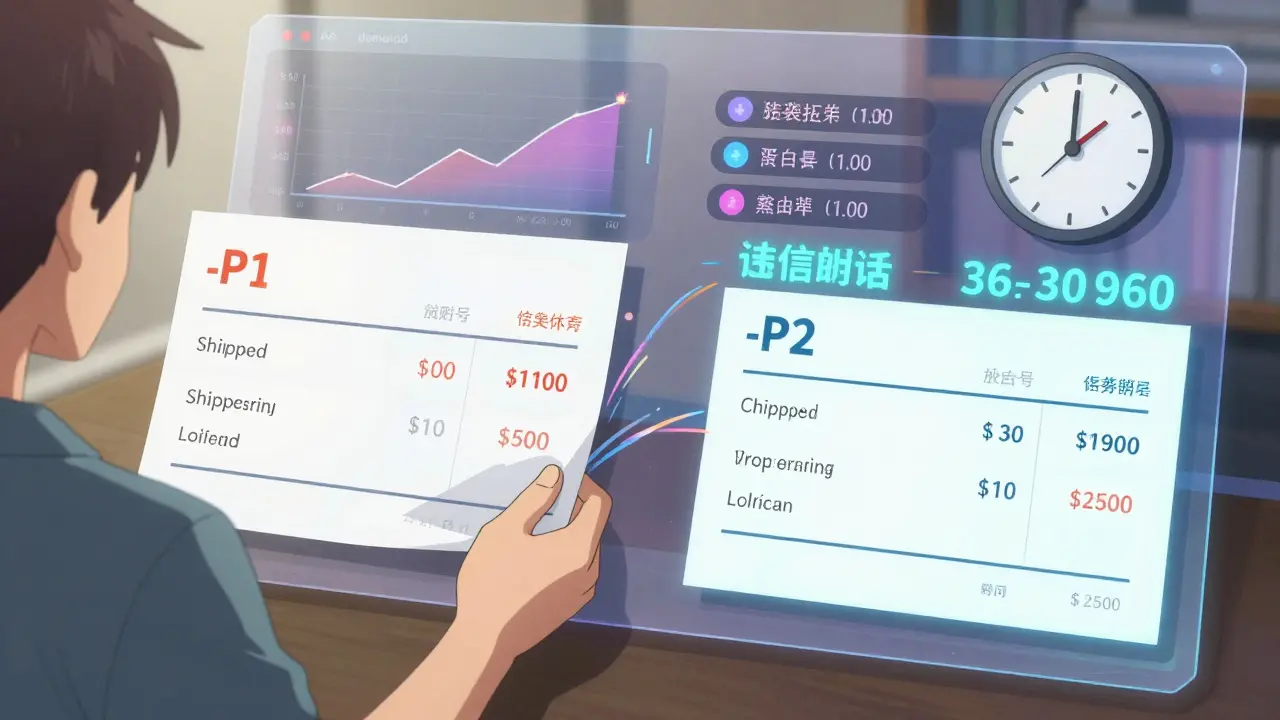
Here’s how to fix it: generate a separate invoice for each shipment, but link each one to the original purchase order. If a patient ordered five items and you shipped three, invoice only for those three. Include the invoice number from the original order, plus a suffix like "-P1" for partial 1. When the rest arrives, invoice again as "-P2".
Shipping costs should be prorated based on weight and item value-not split evenly. A $50 insulin pump and $5 test strips shouldn’t cost the same to ship. Your system should calculate this automatically.
eFulfillmentService’s data shows that charging customers only when items are shipped increases trust metrics by 28%. Patients appreciate transparency. They don’t want to pay for something they haven’t gotten.
Automate Communication-Don’t Rely on Staff
Patients don’t call because they want to chat. They call because they’re worried. If they ordered a month’s supply of medication and only got half, they panic. That’s when errors turn into complaints, refunds, or worse-medical incidents.
Set up automated emails triggered by partial fills and back-orders. Include:
- Which items are shipping now
- Which items are on back-order
- Estimated arrival date (based on supplier lead time)
- Option to cancel the back-ordered items
- Alternative suggestions (if available)
NetSuite recommends a 30-day limit. If an item won’t arrive within 30 days, notify the customer immediately. Don’t wait for them to ask.
BetterCommerce.io’s client data shows this reduces customer frustration by 39%. It also cuts customer service calls by 27%. That’s time and money saved-and more importantly, less stress for patients.
Classify Products Into Back-Order Tiers
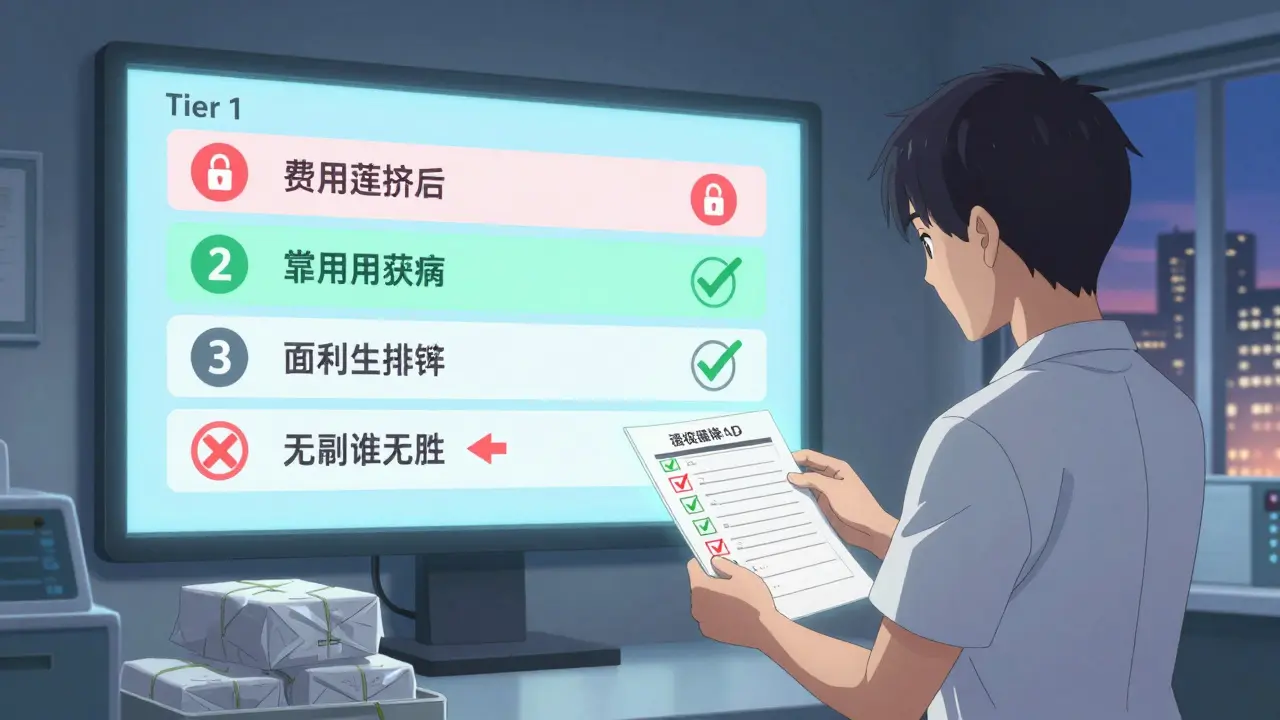
Not every item should be handled the same way. Create three tiers:
- Tier 1: High-value, made-to-order, or contract-specific items-like custom prosthetics, rare compounded medications, or specialized diagnostic kits. These require manual approval. Never auto-approve back-orders here.
- Tier 2: Standard items with predictable demand-like common antibiotics, blood pressure cuffs, or basic wound dressings. These can auto-approve back-orders if inventory dips below safety stock.
- Tier 3: Discontinued or obsolete items-if it’s no longer stocked, don’t allow back-orders. Redirect the customer to alternatives immediately.
ASCM’s 2023 implementation study found that businesses using this tiered approach reduced back-order errors by 41%. It forces discipline. Staff aren’t guessing. The system enforces rules.
Train Staff and Audit Weekly
Even the best system fails without trained people. Staff need to understand:
- How to interpret back-order statuses in the system
- When to override a policy (and why)
- How to verify that the right item was picked and packed
- What to say to a worried patient
Training takes 2-3 weeks. Don’t rush it. Use real scenarios: "A patient needs two types of insulin. One’s back-ordered. What do you do?" Role-play the call. Practice the email template.
Do weekly audits. Pick 20 random orders with partial fills. Check:
- Was the correct policy applied?
- Were invoices accurate?
- Did the patient get notified?
- Was the right item shipped?
Target 98%+ accuracy. If you’re below 95%, retrain. If you’re below 90%, your system isn’t working.
Use AI to Predict and Prevent Back-Orders
The future isn’t just about reacting to back-orders-it’s about stopping them before they happen.
NetSuite’s March 2024 update introduced AI-powered prediction tools that reduce unexpected back-orders by 41%. These tools analyze:
- Seasonal demand (e.g., flu season spikes for thermometers)
- Supplier lead times
- Historical refill patterns (e.g., patients refilling asthma inhalers every 30 days)
It then suggests optimal reorder points. For a high-turnover item like surgical gloves, it might recommend ordering 20% more than usual before flu season. For a low-turnover item like a rare lab reagent, it might flag it for special procurement.
And it doesn’t stop there. The same system suggests substitutions. If your stock of Brand A glucose strips is out, it recommends Brand B with matching specifications. If the patient accepts, order completion jumps by 22%.
What Happens When You Get It Right
One clinic in Melbourne switched from manual back-order tracking to a system with real-time sync, FIFO allocation, and automated notifications. In six months:
- Dispensing errors dropped by 63%
- Customer satisfaction scores rose from 3.8 to 4.7/5
- Return rates for incorrect or incomplete orders fell by 81%
They didn’t hire more staff. They didn’t spend more on inventory. They just fixed the process.
Businesses that master partial fills and back-orders don’t just avoid errors-they build loyalty. Patients know they can count on you. Even when things go wrong, they know you’ll fix it-fast, clearly, and safely.
California’s New Rule Is a Warning for Everyone
Starting January 1, 2025, California law (SB-1287) requires online retailers to clearly state expected back-order fulfillment times. If you ship to California-or plan to-you need to comply. But this isn’t just a California issue. It’s a sign of what’s coming.
Other states and countries are watching. Patients are demanding transparency. Regulators are catching up. If you’re still using spreadsheets or paper logs to track back-orders, you’re already behind.
The goal isn’t to eliminate back-orders entirely. That’s unrealistic. The goal is to handle them without errors. Without panic. Without risk to patients.




Tiffany Adjei - Opong
January 5, 2026 AT 18:32Ryan Barr
January 7, 2026 AT 06:18Cam Jane
January 7, 2026 AT 08:25Tom Swinton
January 9, 2026 AT 00:19Harshit Kansal
January 10, 2026 AT 19:03Matt Beck
January 10, 2026 AT 19:04Katie Schoen
January 10, 2026 AT 21:38Beth Templeton
January 12, 2026 AT 08:15Stuart Shield
January 13, 2026 AT 23:20Indra Triawan
January 15, 2026 AT 11:40