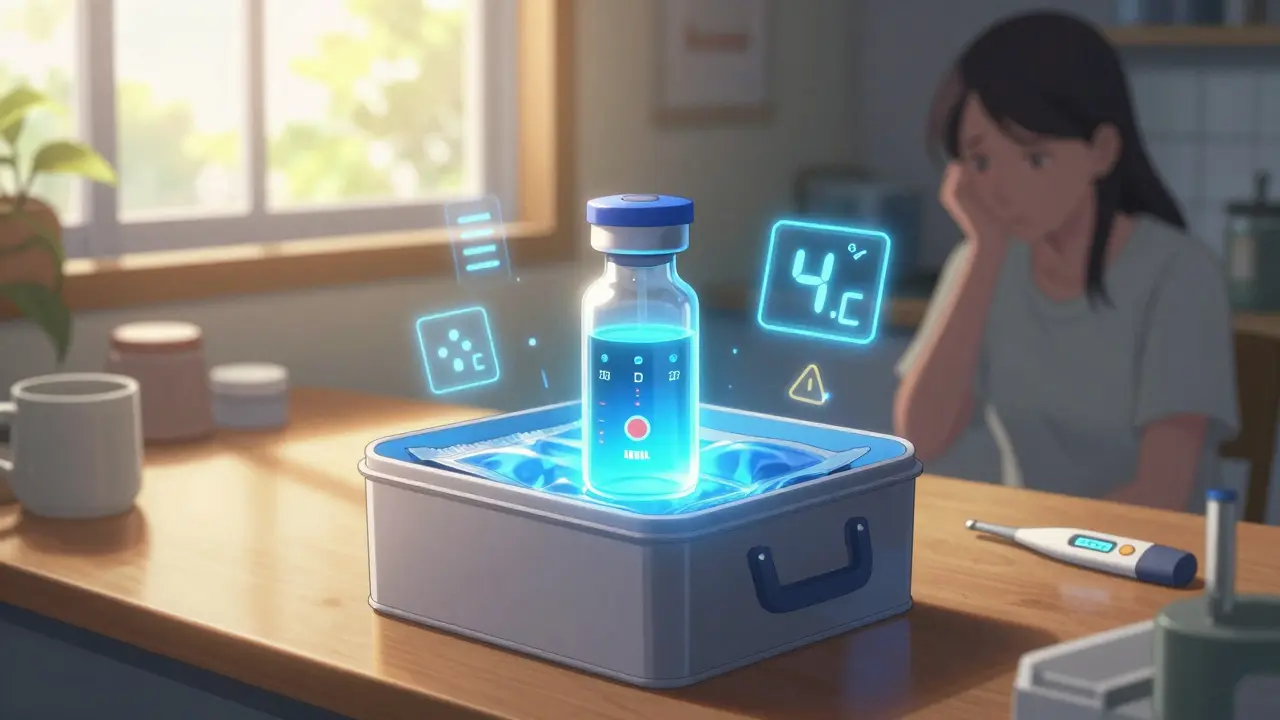
Medication Temperature Safety Calculator
Your medications need to stay within safe temperature ranges to work properly. Calculate if your shipment was exposed to temperatures that could compromise your meds.
Enter your medication details to see if your shipment was safe.
When your life depends on a daily pill-insulin, blood pressure medicine, or a biologic for multiple sclerosis-getting it on time and in perfect condition isn’t a convenience. It’s a matter of life or death. Mail-order pharmacies deliver these critical meds straight to your door, saving time and money. But if the temperature spikes during transit, if the package gets lost, or if it arrives two days late? That’s when things go wrong. This isn’t theory. Real people have had insulin go bad in summer heat. Others waited days for life-saving drugs because of a shipping glitch. Here’s how to make sure your mail-order pharmacy keeps you safe-not just on paper, but in practice.
Why Temperature Matters More Than You Think
Not all pills are created equal. Some, like insulin, certain antibiotics, and biologic drugs for autoimmune diseases, need to stay cold. The FDA says they must be kept between 2°C to 8°C (36°F to 46°F) during transport. That’s fridge temperature. If it hits 25°C (77°F) for even a few hours, the medicine can break down. You won’t see it. You won’t smell it. But it won’t work. In 2023, industry data showed 3.2% of temperature-sensitive shipments had dangerous excursions-meaning the meds were exposed to unsafe heat or cold. That’s 1 in every 31 packages. On Reddit, users reported insulin vials arriving warm after summer deliveries. One woman with type 1 diabetes had to throw out four vials after her package sat on a porch in 38°C heat for six hours. She ended up in the ER. Reputable mail-order pharmacies now use insulated boxes with gel packs or phase-change materials. Some even include real-time temperature sensors. These aren’t gimmicks. They’re required for FDA compliance on biologics. If your pharmacy doesn’t mention cold chain packaging, ask. If they can’t explain how they protect your meds, find another one.Timing: Don’t Wait Until You’re Out
Most people think, “I’ll order when I’m down to my last pill.” That’s a mistake. Mail-order isn’t like walking to the corner pharmacy. It takes time. Shipping, processing, customs checks-especially if you’re in a rural area-can add days. GoodRx recommends ordering refills at least two weeks before you run out. Medicare Part D plans even require pharmacies to confirm with you or your caregiver before shipping a new prescription. That’s not bureaucracy. That’s protection. It stops someone from getting a new bottle of blood thinner if they’ve already switched meds. A 2024 GoodRx analysis found that 22% of mail-order users had at least one delayed delivery in the past year. For someone on dialysis or taking anticoagulants, a two-day delay can mean a hospital visit. Set calendar reminders. Enable text alerts from your pharmacy. Don’t rely on auto-refills alone-they can fail if your insurance changes or your doctor updates your prescription.Tracking: Know Where Your Meds Are
You wouldn’t send a $5,000 laptop without tracking. Why send your life-saving meds without it? Modern mail-order pharmacies use real-time tracking systems tied to USPS, FedEx, or UPS. You should get a notification when your package leaves the warehouse, when it’s out for delivery, and when it’s signed for. Some even send a photo of the delivery location. The DEA requires delivery confirmation for controlled substances like opioids or stimulants. But even non-controlled meds need tracking. Why? Because 0.7% of packages are stolen after delivery-according to Pitney Bowes. That’s not many, but if it’s your insulin, it’s 100% of your problem. Look for pharmacies that offer tamper-evident packaging. That means the box shows if someone opened it. Some even have seals that change color if exposed to heat. If your package arrives with a broken seal or no tracking number, call the pharmacy immediately. Don’t take the meds.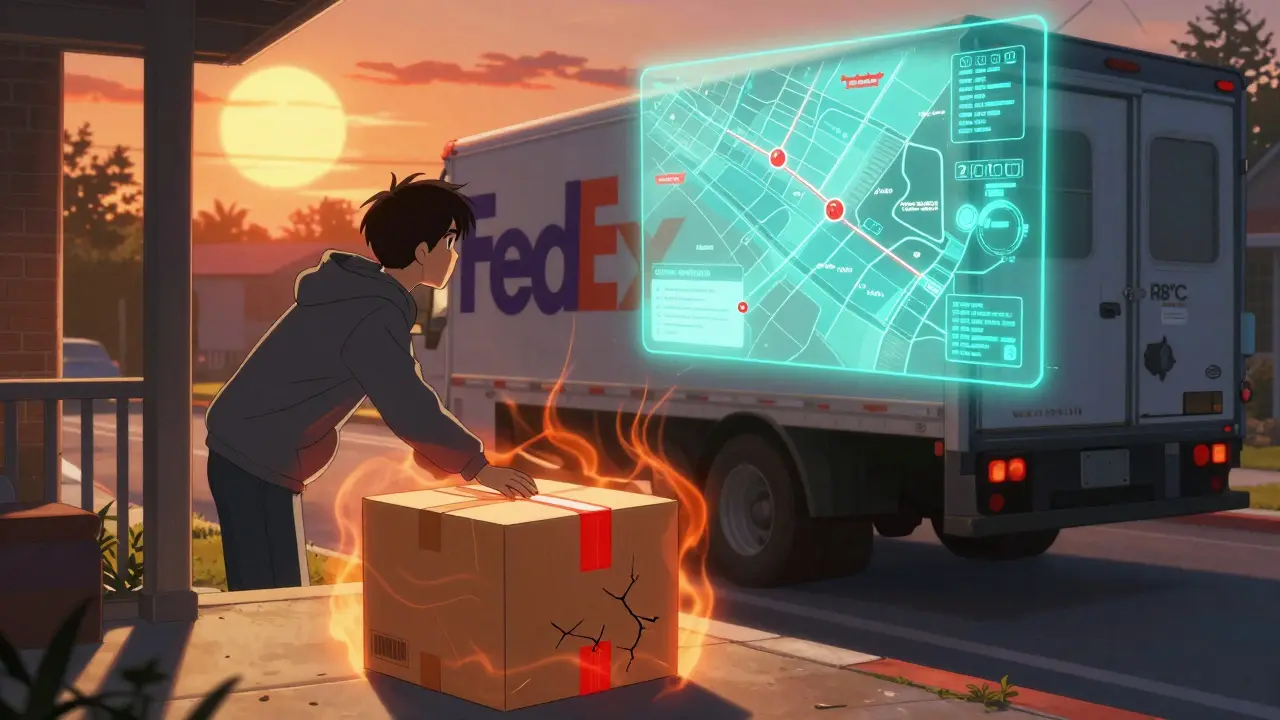
What Makes a Mail-Order Pharmacy Safe?
Not all online pharmacies are created equal. Some are fronts for counterfeit drugs. Others cut corners on packaging. Here’s how to tell the difference:- Requires a prescription-No pharmacy should sell you meds without a valid doctor’s order.
- Has a physical address and phone number-The FDA says this is non-negotiable. If you can’t find their real location, walk away.
- Licensed in your state-They must be licensed to ship to your address. Check with your state pharmacy board.
- Uses NABP accreditation-The National Association of Boards of Pharmacy (NABP) verifies legitimate pharmacies. Look for the VIPPS seal.
- Provides temperature logs-If you’re getting insulin or biologics, they should be able to show you the temp data from your shipment.
What Happens When Things Go Wrong?
Even the best systems fail. A truck breaks down. A package gets left in the sun. A barcode scans wrong. What do you do? First: Don’t take the meds. If the packaging is damaged, the gel packs are melted, or the box feels warm, stop. Call the pharmacy. Ask for a replacement. Most will ship a new one overnight at no cost. Second: Document everything. Take photos of the package, the temp sensor (if there is one), and the meds inside. Keep the box. This isn’t just for your peace of mind-it’s required if you need to file a claim with your insurer or report it to the FDA. Third: Report it. If a pharmacy repeatedly messes up, file a complaint with the FDA’s MedWatch program. You can do it online in minutes. Your report helps protect others. One patient in Seattle had her Tysabri (a biologic for MS) flagged by a sensor that showed a 36-hour temperature spike. The pharmacy held the shipment, contacted her, and sent a new vial within 12 hours. She credits that system with saving her from a relapse.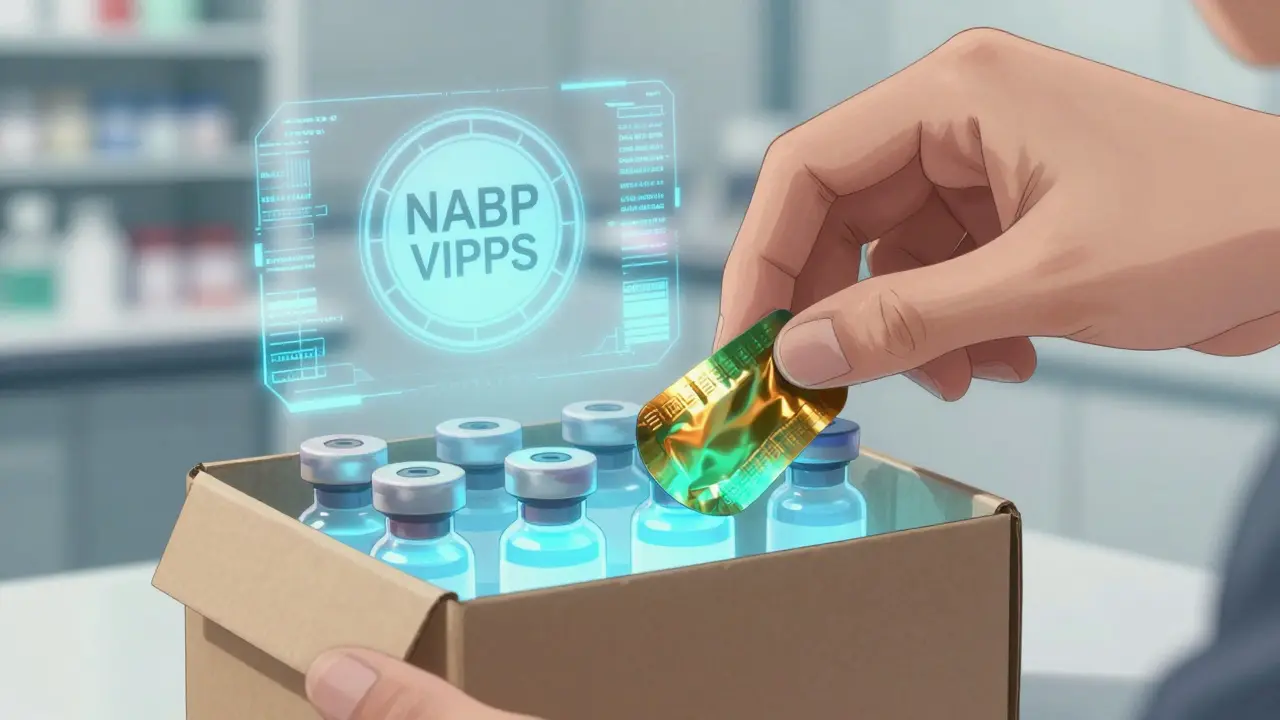
What You Can Do Right Now
You don’t need to wait for a crisis. Here’s your action plan:- Check your current pharmacy’s packaging. Do they use insulated boxes with cold packs?
- Ask if they use real-time temperature tracking for your meds-especially if they’re insulin, biologics, or antibiotics.
- Set a reminder to reorder 14 days before you run out.
- Turn on delivery alerts. Know when your package is out for delivery so you’re home to receive it.
- Verify your pharmacy is NABP-accredited. Go to www.nabp.pharmacy and search their name.
- Keep a printed copy of your medication list, including dosage and storage needs, in your wallet. If something goes wrong, first responders need to know.
What’s Changing in 2026?
The rules are tightening. Starting January 1, 2026, the DEA requires all mail-order pharmacies dispensing controlled substances to use blockchain-based tracking. That means every step-from warehouse to your door-is digitally recorded and can’t be altered. The FDA is also pushing for mandatory real-time temperature sensors on all biologics. And companies like Pitney Bowes are rolling out AI tools that predict delivery delays before they happen. If a storm’s coming or a warehouse is backed up, the system will reroute your package automatically. These aren’t distant futures. They’re happening now. And if your pharmacy hasn’t upgraded, they’re falling behind.Final Thought: It’s Your Meds. Own It.
Mail-order pharmacies save money and time. But safety doesn’t happen by accident. It happens because someone-your pharmacist, your carrier, you-cares enough to check, ask, and act. Don’t treat your meds like a package from Amazon. Treat them like your health. Because they are.Can I trust mail-order pharmacies with my insulin?
Yes-if you choose a reputable pharmacy that uses cold chain packaging and real-time temperature tracking. Insulin is sensitive to heat and can lose effectiveness if exposed to temperatures above 8°C for extended periods. Reputable mail-order pharmacies like Express Scripts and OptumRx now include insulated boxes with gel packs and sensors that record temperature during transit. Always ask for temperature logs when receiving insulin shipments and never use medication if the packaging is damaged or feels warm.
How early should I order my refills?
Order your refills at least two weeks before you run out. Mail-order processing and shipping can take 5-10 business days, depending on your location and carrier. Waiting until your last pill is gone risks dangerous gaps in treatment, especially for chronic conditions like diabetes, hypertension, or autoimmune diseases. Set calendar alerts or enable text reminders from your pharmacy to stay on schedule.
What should I do if my medication arrives warm or damaged?
Do not take the medication. Take photos of the package, the damaged packaging, and the medication inside. Contact your pharmacy immediately and request a replacement. Most legitimate pharmacies will ship a new batch at no cost and may even cover return shipping. Report the incident to the FDA’s MedWatch program to help improve safety standards. Keep the original packaging-it may be needed for investigation.
Are mail-order pharmacies safer than retail pharmacies?
Studies show mail-order pharmacies have lower dispensing error rates-about 15% fewer than retail pharmacies-because they use automated systems and handle fewer daily prescriptions. However, they introduce new risks like temperature excursions and delivery delays. For maintenance medications, mail-order is often safer and more reliable. For acute or time-sensitive drugs, retail pharmacies are better because you can get them immediately. Choose based on your medication type and needs.
How do I know if my mail-order pharmacy is legitimate?
Check for three things: 1) They require a valid prescription from your doctor. 2) They have a physical U.S. address and a working phone number you can call. 3) They’re accredited by the National Association of Boards of Pharmacy (NABP) with a VIPPS seal. Avoid pharmacies that sell meds without a prescription or only have a website with no contact info. You can verify legitimacy at www.nabp.pharmacy.
Is it safe to have my meds delivered when I’m not home?
It depends on the medication. For temperature-sensitive drugs like insulin or biologics, leaving the package outside-especially in summer or winter-is risky. For non-sensitive pills, it’s usually fine. Always request delivery confirmation or a signature requirement. If possible, have packages delivered to a secure location like your workplace, a trusted neighbor, or a locker service. Some pharmacies now offer delivery to a secure mailbox or smart locker system.
Do mail-order pharmacies charge more for temperature-controlled shipping?
No. Reputable mail-order pharmacies include cold chain packaging and tracking at no extra cost as part of their standard service for temperature-sensitive medications. This is required by law and covered under your insurance plan. If a pharmacy tries to charge you extra for safe shipping, it’s a red flag. Ask them to explain their policy and consider switching to a provider that follows industry standards.
If you’re on a maintenance medication, your mail-order pharmacy should be a partner in your health-not a lottery. Know how your meds are shipped. Ask the right questions. And never assume someone else is watching out for you. Your health is worth the extra step.

Edith Brederode
January 20, 2026 AT 03:26Just got my insulin shipment yesterday-insulated box, two gel packs still cold, and a little temperature log sticker inside. 🥹 I cried a little. After last summer’s disaster, this feels like a miracle. Thank you to whoever at OptumRx is actually doing their job.
Emily Leigh
January 21, 2026 AT 08:41Why are we even talking about this like it’s new?? The system’s been broken for a decade. They charge you $400 for insulin, then ship it in a cardboard box like it’s a damn Amazon Prime sock. You think they care? No. They care about your insurance co-pay. That’s it.
Crystal August
January 23, 2026 AT 02:01My neighbor’s 82-year-old mother died because her blood thinner arrived warm. She didn’t even know how to check the packaging. No one told her. The pharmacy sent a ‘sorry’ email. That’s not service. That’s negligence dressed up as convenience.
clifford hoang
January 24, 2026 AT 04:11Temperature sensors? Blockchain tracking by 2026? 😏 Wake up. This is all a distraction. The real issue? The FDA, DEA, and Big Pharma are in bed together. They want you dependent on overpriced, fragile meds so you keep paying. They don’t want you cured. They want you *managed*. The cold chain? A marketing ploy. The sensors? Just to make you feel safe while they profit. Look at the stock prices. They’re up 18% since last year. Coincidence? I think not.
Nadia Watson
January 24, 2026 AT 17:04As someone who’s been on biologics for 12 years, I’ve seen the evolution. When I started, my meds arrived in a plain box with a single ice pack that melted by noon. Now? My pharmacy sends a QR code that shows the entire journey-warehouse to porch, temp logged every 15 minutes. I don’t take it for granted. But I also don’t trust it blindly. I keep a cooler by the door. I’m home for delivery. I check the seal. I photograph everything. It’s not paranoia. It’s practice. And if you’re not doing at least half of this, you’re playing Russian roulette with your health.
Also-NABP accreditation isn’t optional. If your pharmacy doesn’t have it, don’t wait for a crisis. Switch today. You can do it in 5 minutes. Your future self will thank you.
Art Gar
January 25, 2026 AT 08:53While the sentiment behind this article is well-intentioned, it fundamentally misrepresents the nature of pharmaceutical logistics. The notion that temperature excursions are somehow an anomaly is misleading. The industry operates under a framework of acceptable risk thresholds, and 3.2% is within regulatory tolerance. To suggest that patients should demand perfection is to ignore the economic and infrastructural realities of a nationwide distribution system. Moreover, the emphasis on individual vigilance-setting reminders, photographing packages-shifts responsibility away from systemic reform and onto the most vulnerable. This is not safety. It is victim-blaming disguised as empowerment.
Courtney Carra
January 26, 2026 AT 13:27Okay but… what if you’re on dialysis and live in rural Montana? 🤔 The pharmacy sends it. The truck gets stuck in a snowstorm. The gel packs melt. You’re not home because you’re at the clinic. You get the text: ‘Package left at door.’ You open it. It’s warm. You cry. Then you call. They say, ‘We’ll ship another in 2 business days.’ Two days. You’re on a drug that keeps you alive. Two days. And now you have to decide: take the warm meds and risk losing your kidneys… or don’t take them and risk dying. This isn’t a checklist. It’s a moral failure.
They talk about NABP seals and temperature logs like they’re magic shields. But none of that matters if the system doesn’t account for the human reality of being sick, poor, and isolated. We need emergency delivery networks. We need pharmacies that guarantee same-day replacement. We need laws that treat life-saving meds like oxygen. Not a luxury.
Renee Stringer
January 26, 2026 AT 20:49My husband’s MS medication arrived in a box that smelled like a gym sock. The gel packs were slush. We didn’t take it. Called the pharmacy. They apologized. Sent a new one. No questions asked. No extra charge. They even called me personally the next day to check if he was okay. That’s the difference between a pharmacy and a vendor. Don’t settle for less.