Every year, hundreds of essential generic drugs disappear from hospital shelves and pharmacy counters. Patients waiting for antibiotics, chemotherapy, or even basic IV fluids are left with no clear answer: why does this keep happening? The answer isn’t a single mistake or one bad batch. It’s a broken system built on thin margins, global dependencies, and zero room for error.
Manufacturing Problems Are the #1 Cause
More than 60% of all generic drug shortages in the U.S. trace back to manufacturing issues, according to FDA data from 2020. This isn’t about minor delays. It’s about entire production lines shutting down because of contamination, equipment failure, or failure to meet quality standards.
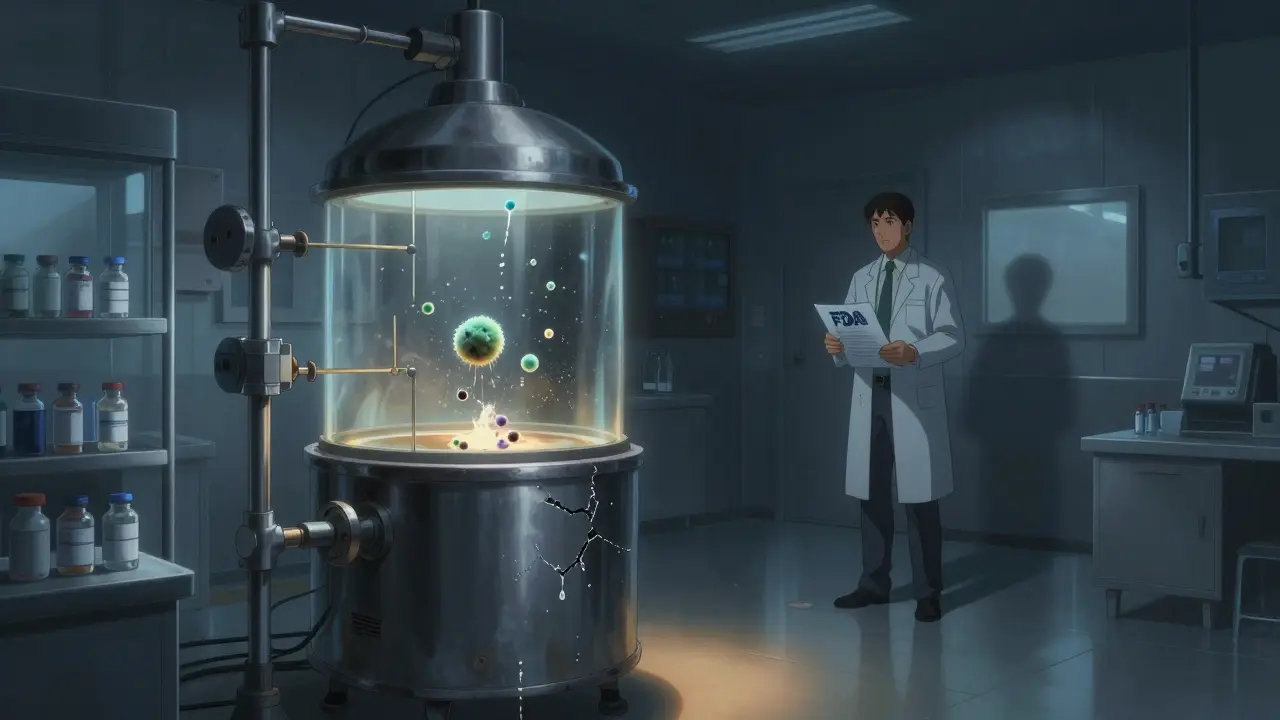
Imagine a single factory in India producing the only supply of a life-saving chemotherapy drug. One mold spore in the cleanroom, one faulty valve in the sterilization system, or a missed inspection step can force the FDA to halt production. The plant can’t just restart next week. It needs months of repairs, retesting, and re-inspection. During that time, hospitals scramble to find alternatives-or ration what’s left.
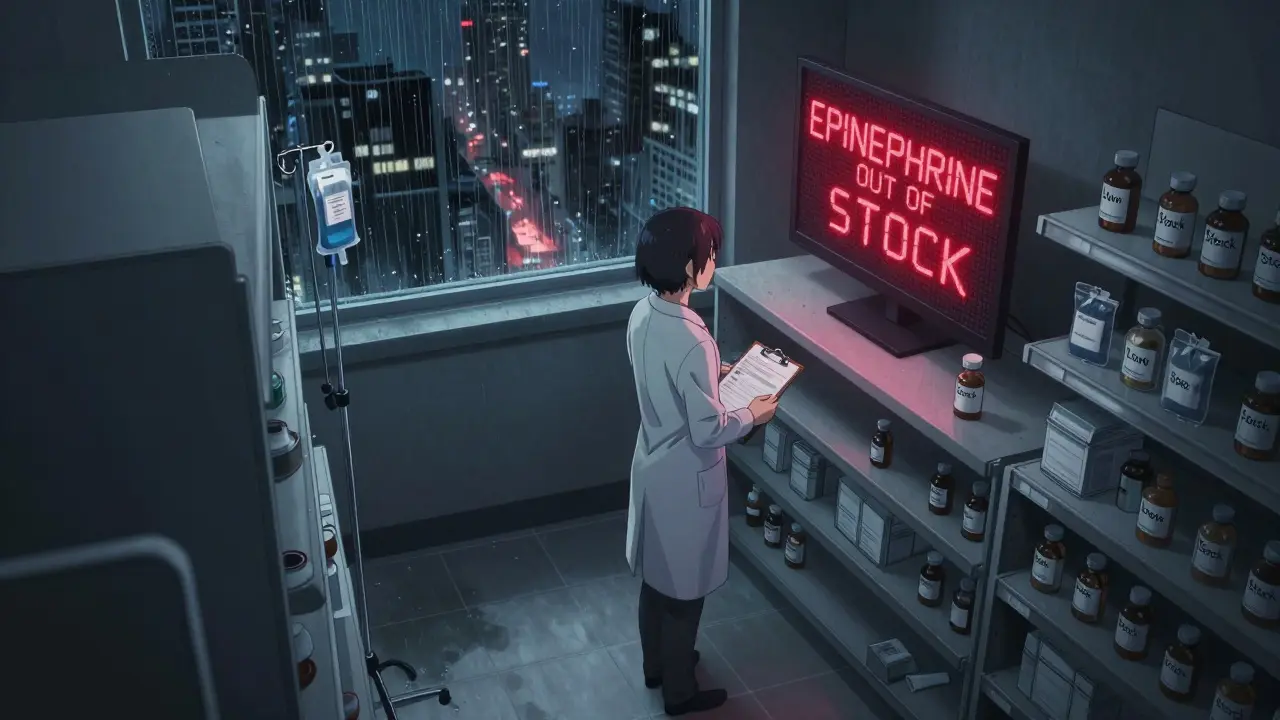
These aren’t rare events. Between 2010 and 2023, over 3,000 generic drug products were permanently discontinued. Many of them were low-cost, high-volume medications like saline bags, epinephrine, or lidocaine. When a manufacturer stops making a drug because it’s no longer profitable, there’s often no backup. And there’s rarely a warning.
No Buffer, No Safety Net
Unlike branded drugs, which are often produced with excess capacity to handle spikes in demand, generic manufacturers run lean. They keep just enough inventory to meet current orders-sometimes down to a few weeks’ supply. Why? Because profit margins are razor-thin.
A typical branded drug might earn a 30-40% profit margin. Generic drugs? Often under 15%. That means manufacturers can’t afford to stockpile extra batches. They can’t invest in backup equipment. They can’t hire extra staff to handle emergencies. If one plant goes offline, there’s no spare line to pick up the slack.
This model works fine until something breaks. A hurricane knocks out power in a Puerto Rican facility. A labor strike delays shipments from China. A new FDA inspection uncovers a compliance issue. Suddenly, a drug used in 80% of all ICU admissions vanishes overnight. And because there’s no buffer, the entire system stumbles.
Global Supply Chains Are a Single Point of Failure
Eighty percent of the active pharmaceutical ingredients (APIs) used in U.S. generic drugs come from just two countries: China and India. These are not just factories-they’re the heart of the entire supply chain. APIs are the raw chemical components that make the drug work. Without them, no pill, injection, or IV bag can be made.
But this concentration creates massive risk. A fire at a single API plant in Hyderabad can ripple across the U.S. healthcare system. A trade dispute or export ban in China can freeze production of dozens of medications. Even weather events-like the 2021 Texas freeze or floods in India-can disrupt global supply chains because there’s nowhere else to source these critical ingredients.
Worse, many of these facilities are sole-sourced. One in five drug shortages involves a medication made by only one manufacturer. No competition. No alternatives. No backup. If that one company has a problem, the entire country runs out.
Pricing and Market Pressure Are Driving Manufacturers Away
It’s not just about bad manufacturing. It’s about bad economics.
Pharmacy benefit managers (PBMs)-the middlemen who control about 85% of prescription drug spending in the U.S.-negotiate prices with manufacturers. They demand the lowest possible cost. To win contracts, generic makers slash prices even further. Some drugs are sold at a loss just to stay on formularies.
But making a drug isn’t cheap. You need clean rooms, certified equipment, trained staff, and constant compliance with FDA rules. When the price you get doesn’t cover those costs, you stop making the drug. And once you exit the market, it’s hard to come back. The FDA requires re-inspection. The supply chain has moved on. Other manufacturers won’t risk entering a low-margin space.
Result? Fewer companies make fewer drugs. And the ones left are stretched thin. The number of registered manufacturing sites for generics has been declining for years. Each remaining site now produces more products than ever. That means more pressure, more risk, and more chances for failure.
Transparency Is Almost Nonexistent
When a drug shortage happens, patients and doctors rarely get a clear reason. About one in four shortage reports filed with the FDA don’t even list a cause. Is it a quality issue? A raw material delay? A labor strike? No one knows.
Manufacturers aren’t required to publicly explain why they’ve stopped shipping. PBMs don’t disclose why they’ve removed a drug from coverage. Hospitals don’t always share what alternatives they’re using. This lack of transparency makes it impossible to predict or prevent shortages.
Pharmacists spend 50-75% more time managing shortages now than they did 15 years ago. They’re calling other hospitals, checking inventory across regions, switching prescriptions, and dealing with insurance denials-all while patients wait. And still, they’re flying blind.
Canada Does It Better-Here’s How
Canada faces the same global supply chain risks. But they don’t have the same level of shortages. Why? Because they’ve built a system that works together.
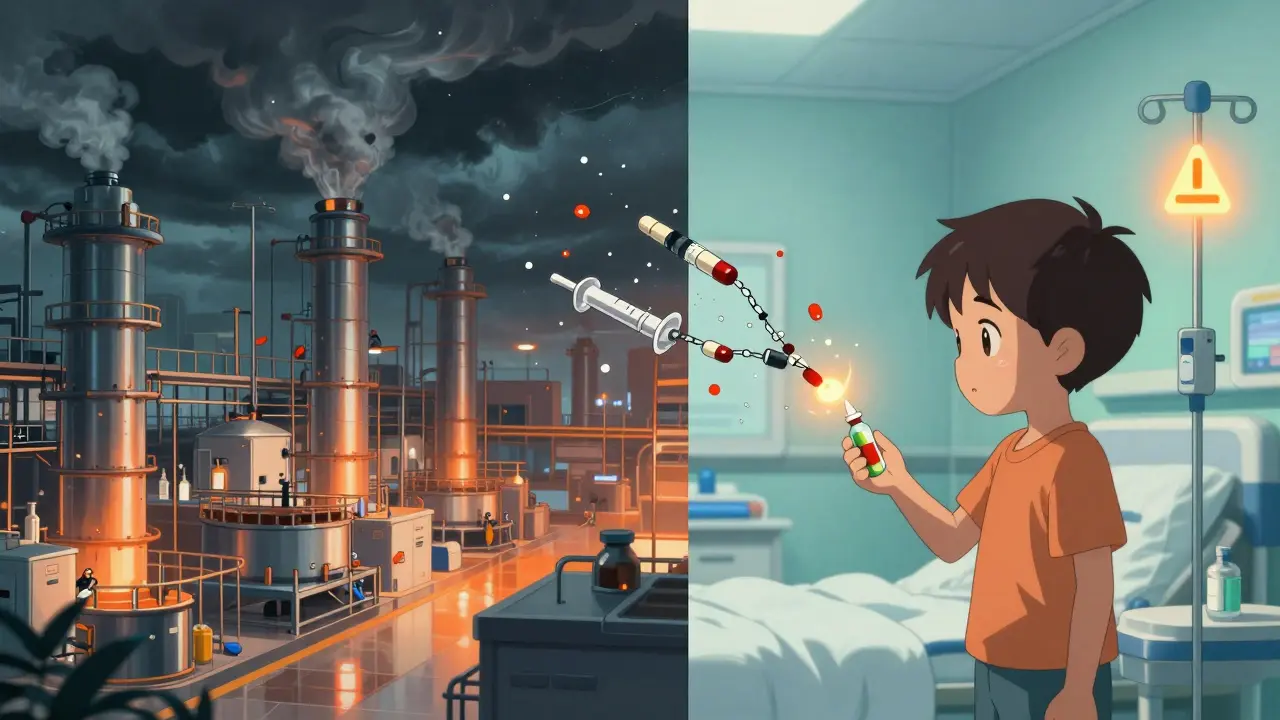
Canadian regulators, hospitals, wholesalers, and manufacturers share real-time data. When a shortage is predicted, they coordinate stockpiling, switch suppliers, and adjust distribution before patients are affected. They have a national strategic stockpile specifically for essential generic drugs-not just for disasters, but for routine supply issues.
In the U.S., the Strategic National Stockpile is only activated for bioterrorism or pandemics. It doesn’t help when a hospital runs out of antibiotics because a factory in China had a power outage. Canada treats drug shortages like public health emergencies. The U.S. treats them like market failures.
What’s Being Done-And Why It’s Not Enough
Some policy efforts are underway. The RAPID Reserve Act, introduced in 2023, proposes creating a federal stockpile of critical generic drugs and offering incentives for domestic manufacturing. The FTC is investigating PBMs for anti-competitive practices. The AMA is pushing to stop formularies from favoring drugs in short supply.
But these are band-aids. The real fix requires changing the economics of generic drug production. Right now, the market punishes manufacturers for making low-cost, high-volume drugs. It rewards them for leaving the market. That’s backwards.
What if the government guaranteed a minimum profit margin for essential generics? What if manufacturers were paid fairly to keep extra capacity on standby? What if the U.S. invested in domestic API production-not just for national security, but for patient safety?
Until then, shortages will keep coming. Not because of bad luck. Not because of one bad company. But because the system is designed to fail.
Patients and Providers Are Paying the Price
Behind every shortage is a real person. A cancer patient delayed for weeks because the only available chemo drug is on backorder. A child with an infection who gets a less effective antibiotic because the first-line drug isn’t in stock. An elderly patient who gets a different IV fluid that causes side effects they’ve never had before.
Healthcare workers are exhausted. Pharmacists are overwhelmed. Doctors are forced to make decisions based on what’s available-not what’s best.
This isn’t a temporary glitch. It’s a systemic collapse. And unless we fix the economic incentives, the manufacturing model, and the lack of transparency, it will only get worse.


Timothy Davis
January 28, 2026 AT 06:15Let’s cut through the noise: this isn’t a supply chain issue, it’s a market failure disguised as capitalism. The FDA’s approval process for generics is a joke-half these plants shouldn’t be allowed to operate, let alone supply the entire country. And don’t get me started on PBMs. They’re the real villains, squeezing margins until manufacturers have no choice but to walk away. We’re not talking about a few bad actors. We’re talking about a system designed to collapse under its own greed.
Howard Esakov
January 29, 2026 AT 16:08Ugh, another ‘systemic collapse’ essay. 🙄 Look, if you can’t make a profit on a $0.10 pill, maybe you shouldn’t be in pharma. This isn’t a humanitarian crisis-it’s a business problem. If you want to keep making saline bags, charge more. Or better yet, move production to a country that doesn’t treat healthcare like a charity. #CapitalismWorks
Bryan Fracchia
January 29, 2026 AT 17:47There’s something deeply human here, beyond the numbers and the FDA reports. Every time a drug disappears, it’s not just a supply chain hiccup-it’s a moment where someone’s life gets put on hold. Maybe we’ve forgotten that medicine isn’t just a commodity. It’s a promise. And when we treat it like a stock ticker, we break that promise. Maybe the fix isn’t more regulations… but more reverence.
Lance Long
January 30, 2026 AT 05:49Hey, I know this feels overwhelming-but we *can* fix this. I’ve seen it firsthand. One hospital in Ohio started pooling inventory with five others in their region. They created a shared dashboard. No more guessing. No more panic calls. Just real-time visibility. It’s not sexy, but it works. We don’t need a revolution. We need coordination. And we need to stop treating pharmacists like glorified order-takers. They’re the unsung heroes holding this thing together.
fiona vaz
January 30, 2026 AT 23:43Canada’s model is worth studying, but we shouldn’t romanticize it. They have universal healthcare, yes-but they also have stricter price controls and a centralized procurement system. We’d need political will to replicate that. And right now, that’s in short supply too. Still, the idea of a strategic stockpile for essentials? That’s low-hanging fruit. Let’s start there.
Sue Latham
January 31, 2026 AT 05:17Oh honey, let’s be real-this is what happens when you let the lowest bidder run the show. You think a factory in India cares about your IV bag? They care about the next contract. And you? You’re just a line item on a spreadsheet. But hey, at least your insurance premium went down, right? 😘
James Dwyer
January 31, 2026 AT 06:14It’s frustrating, but I’m not surprised. We outsource everything-from shoes to semiconductors to life-saving meds. We wanted cheap, we got fragile. Now we’re surprised when the system cracks? Wake up. We built this.
jonathan soba
January 31, 2026 AT 14:49Interesting analysis, but you’re missing the core point: the FDA’s inspection regime is outdated and inconsistent. They inspect Indian plants every 2-3 years. Meanwhile, the same facility churns out 70% of the nation’s heparin. That’s not oversight-that’s negligence. The real issue isn’t profit margins. It’s regulatory capture.
matthew martin
February 1, 2026 AT 08:07Man, this whole thing feels like watching a Jenga tower made of duct tape and hope. One wrong nudge-boom. And we keep pulling blocks from the bottom because ‘it’s cheaper.’ Meanwhile, the people who need the top block? They’re just standing there, holding their breath. We need to rebuild the damn tower. With steel this time.
doug b
February 1, 2026 AT 21:22Let’s stop pretending this is complicated. We need three things: 1) Minimum price guarantees for essential generics, 2) Domestic API production funding, 3) Real-time transparency from manufacturers. Do those, and the rest fixes itself. No magic. Just common sense.
Mel MJPS
February 3, 2026 AT 14:38I work in a rural ER. Last month, we were out of epinephrine for 11 days. We used a diluted version from a vial meant for cardiac arrest. It worked-but I couldn’t sleep. I kept thinking: what if we’d had a kid in anaphylaxis? This isn’t abstract. It’s us. Every day.
Katie Mccreary
February 4, 2026 AT 02:02So you’re saying we should pay more for drugs? How about you pay more? You’re the one buying them. Stop complaining and chip in.
SRI GUNTORO
February 4, 2026 AT 23:00Of course this is happening. You outsource everything to India and China, then act shocked when they prioritize their own people? We gave away our medicine-making soul for cheap pills. Now we’re begging for scraps. Karma.